

Phu Quoc has one of the most useful travel perks in Southeast Asia: a 30-day visa exemption open to every passport on earth. No form, no fee, no appointment at an embassy. But the exemption comes with a routing condition that catches people out — and learning about it after you’ve bought a connecting flight through Ho Chi Minh City is an expensive lesson. This guide covers how to arrive correctly.
The short version
- Fly direct to Phu Quoc (airport code: PQC) from outside Vietnam → 30-day visa-free entry, any nationality
- Connect through HCMC, Hanoi, or any Vietnamese mainland airport first → you need an e-visa like any other Vietnam visitor
- Ferry from Rach Gia or Ha Tien → no visa exemption; you entered Vietnam on the mainland before boarding
- You need a return or onward ticket leaving Phu Quoc (not the mainland) within 30 days
- The exemption keeps you on Phu Quoc — travel to the Vietnamese mainland voids it
The visa exemption
Phu Quoc operates under a special economic zone that grants visa-free entry to all nationalities for up to 30 days. The three conditions are simple:
- You arrive directly from outside Vietnam — on an international flight landing at PQC, or by sea from another country
- Your passport is valid for at least six months from your date of arrival
- You hold a return or onward ticket that shows you leaving Phu Quoc within 30 days, departing to a destination outside Vietnam
All three met: immigration stamps your passport and you walk out. No separate visa document exists — the stamp is your authorisation.
The key restriction: this exemption confines you to Phu Quoc. If you travel to Ho Chi Minh City, Hanoi, Da Nang, or anywhere else in mainland Vietnam during your trip, you need a standard Vietnam e-visa. The e-visa is handled online at the official Vietnamese immigration portal before you fly, and currently covers stays up to 90 days for most nationalities.
Routing is everything
Two travellers, same passport, same dates, completely different visa outcomes depending on how they book:
- Direct international flight to PQC → 30-day visa-free, no paperwork
- International to HCMC, then domestic to PQC → entered Vietnam at HCMC; need an e-visa
Airlines frequently offer cheaper fares with a mainland connection. That routing is fine if you want to spend time in HCMC or Hanoi, but it isn’t a way around the e-visa requirement. The exemption only activates if Phu Quoc is your first Vietnamese port of entry.
Extending or resetting
You can’t. Flying from Phu Quoc to the mainland and back doesn’t restart the 30 days. The exemption is granted once, on arrival from abroad. If you want more than 30 days in Vietnam, or you want flexibility to visit the mainland, apply for an e-visa before you travel.
Getting there by air
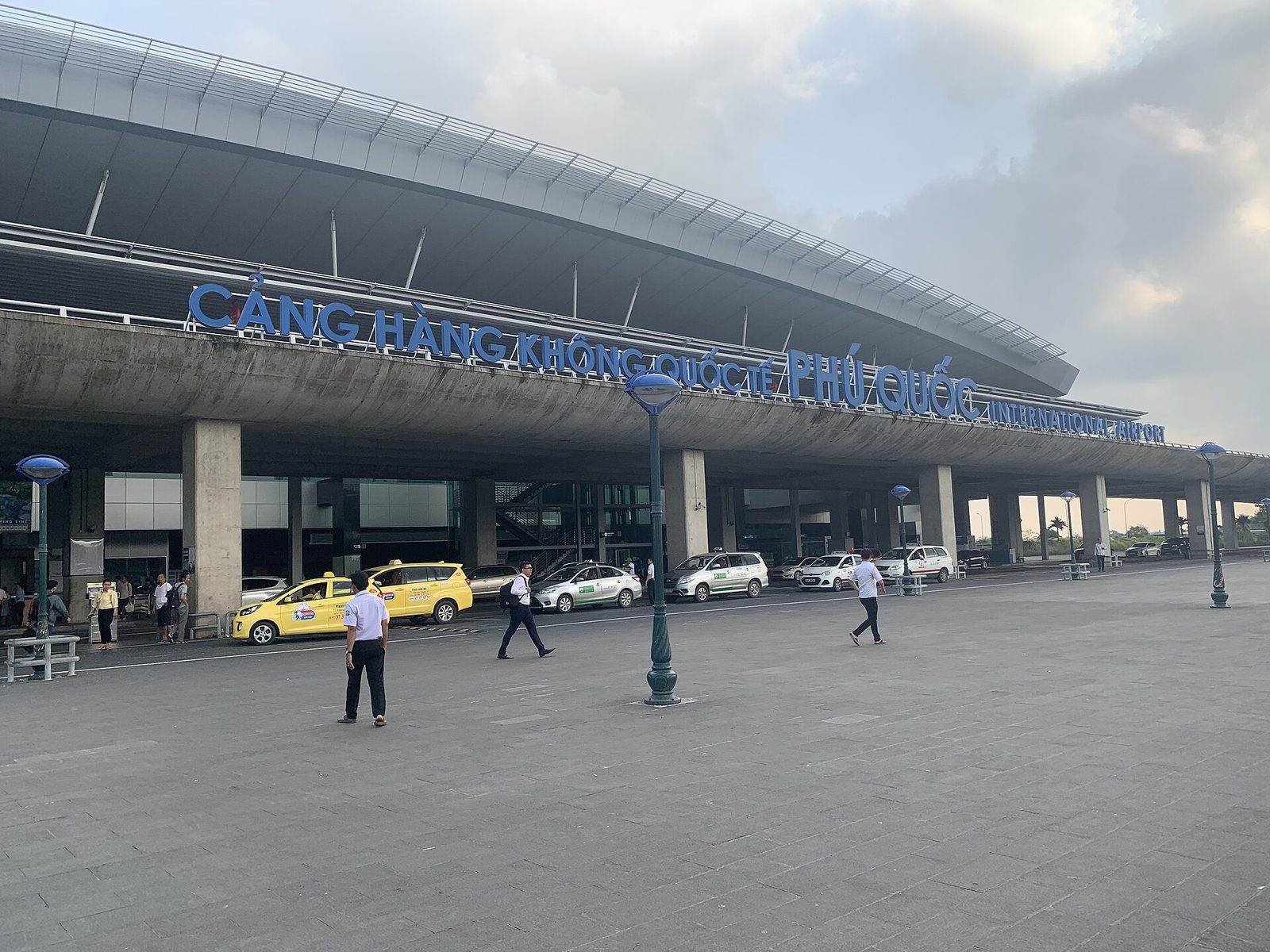
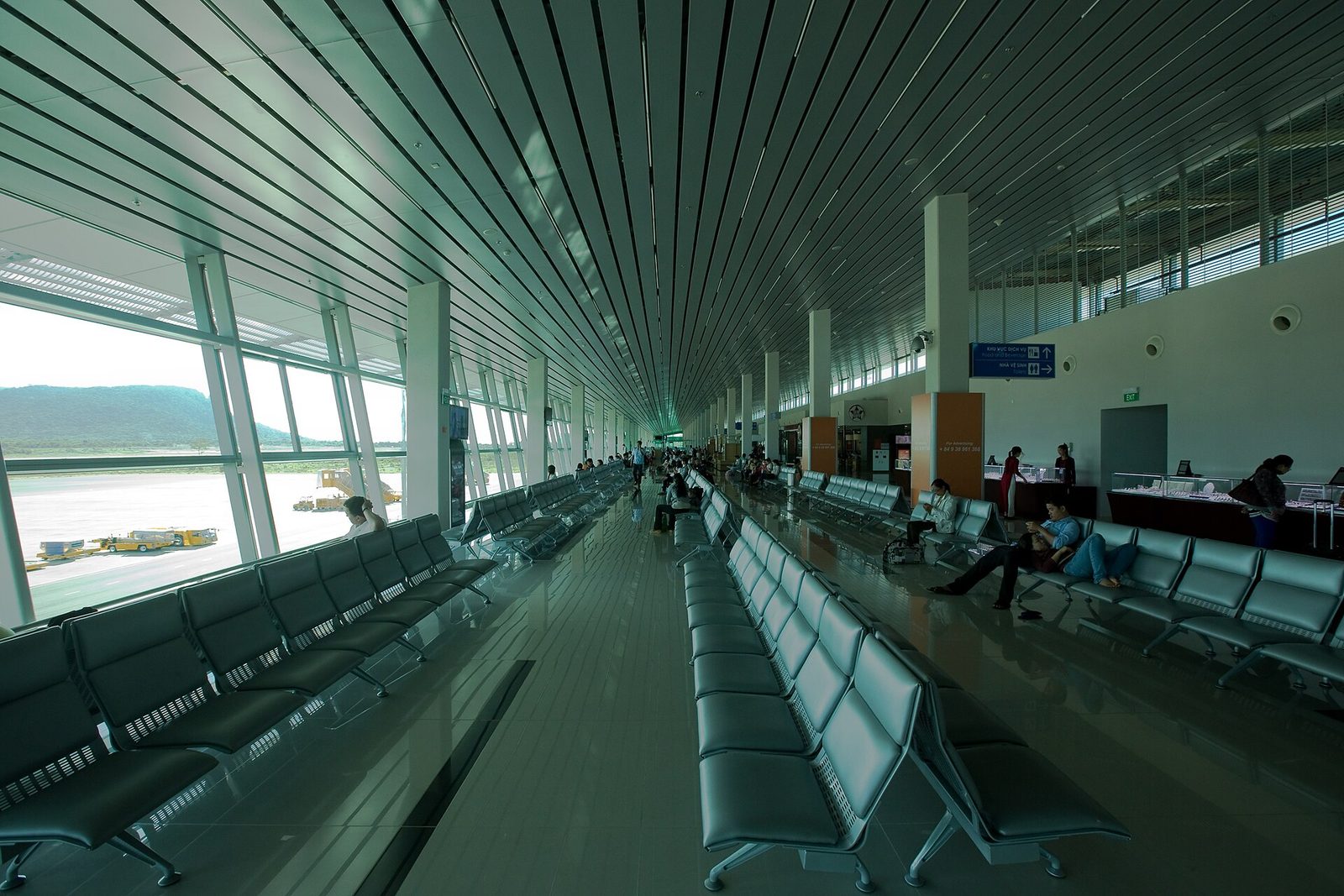
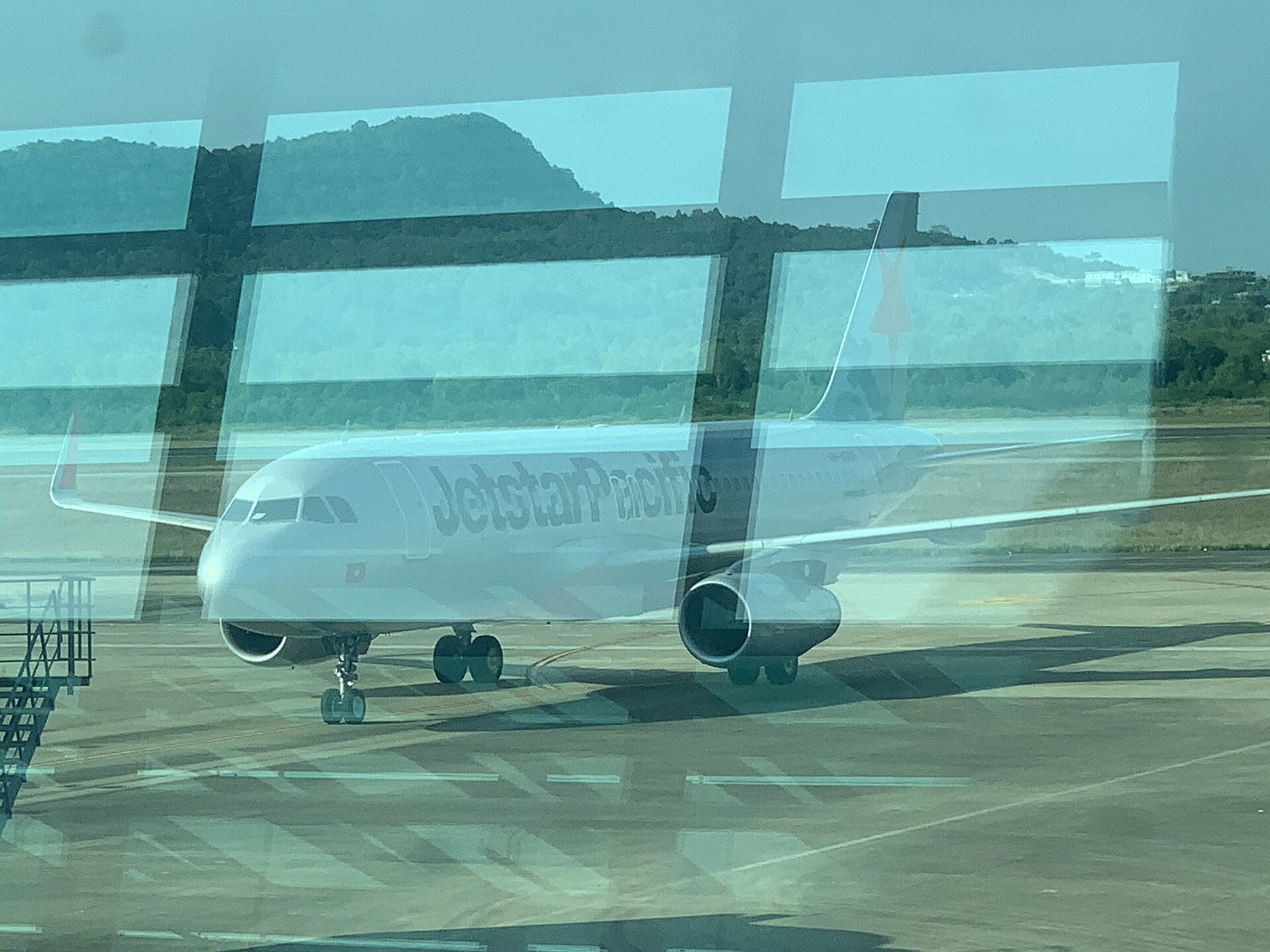
Phu Quoc International Airport (PQC) sits about 10 km south of Duong Dong, the main town. International and domestic traffic share the same modern terminal.
International flights
Direct international routes operate from a solid and growing list of cities. As of mid-2026, carriers with confirmed PQC services include Vietnam Airlines, VietJet Air, AirAsia (Thai and Malaysian hubs), HK Express, Scoot, Korean Air, Jeju Air, Jin Air, Air Astana, and several Chinese carriers including China Eastern. Seoul Incheon and Hong Kong carry the highest volumes of international traffic. Seasonal charters operate from Japan, Taiwan, and Central Asia.
If no direct route exists from your city, the cleanest option is connecting through Bangkok Suvarnabhumi, Singapore Changi, or Hong Kong — not through a Vietnamese mainland airport, unless you’re applying for an e-visa anyway.
Domestic flights
Already in Vietnam on an e-visa? Domestic services connect PQC to Ho Chi Minh City (Tan Son Nhat, ~55 minutes), Hanoi (Noi Bai, ~2 hours), Da Nang, and several regional airports. Vietnam Airlines, VietJet, Bamboo, and Vietravel all operate the routes. Book direct through the airline websites or via 12Go. Prices are volatile — a week or two in advance is usually fine; the last few days can spike significantly on popular travel dates.
From the airport to your hotel
The airport is small. Arrivals are straightforward:
- Grab (GrabCar or GrabBike): open the app before you exit the terminal. GrabCar to Duong Dong or Long Beach costs around 120,000–200,000 ₫ (US$5–8), depending on time of day and demand.
- Metered taxi: Mai Linh operates at the taxi stand outside arrivals. Expect 150,000–250,000 ₫ to Duong Dong. Confirm the meter is running before you move.
- Hotel pickup: most mid-range and above properties offer airport transfers — often free or at cost. Worth arranging if you’re arriving late or with a lot of luggage.
Avoid fixed-rate rides offered inside the terminal. The common tout rate is US$20–30, roughly three to four times the Grab price for the same trip.
Travel time to Duong Dong or Long Beach is 15–25 minutes. For An Thoi and Sunset Town in the south, it’s around 10–15 minutes in the other direction — the airport sits between the two main tourist zones.
Getting there by ferry
Two mainland ports have regular ferry services to Phu Quoc, both run by Superdong and Phu Quoc Express.
Rach Gia → Phu Quoc
- Duration: approximately 2.5–3 hours
- Fare: about 315,000–330,000 ₫ (~US$13). Phu Quoc Express listed economy at 315,000 ₫ on its 2026 fare table; 330,000 ₫ is the figure still quoted for the standard adult ticket on the route. Check the operator on the day.
- Departures: four per day — roughly 7:00, 8:10, 10:40, and 13:10 (check operator websites for current times; schedules shift seasonally)
- Arrival port: Bai Vong, on Phu Quoc’s east coast
Rach Gia is the busiest route and the most straightforward approach from HCMC by bus. The journey from HCMC to Rach Gia by sleeper bus takes around 4–5 hours.
Ha Tien → Phu Quoc
- Duration: approximately 1 hour 20 minutes to 1.5 hours
- Fare: about 216,000–230,000 ₫ (~US$9). Phu Quoc Express economy was 216,000 ₫ on the same 2026 table.
- Departures: three per day — roughly 7:45, 9:40, and 13:15
- Arrival port: Bai Vong
Ha Tien is the shorter crossing and a useful option if you’re arriving overland from Cambodia via the Xa Xia/Prek Chak border crossing.
Booking
Book direct on the Superdong or Phu Quoc Express websites, or through 12Go or Baolau for an English-language interface. Buy ahead during Vietnamese public holidays — boats fill early. Bringing a motorbike on the ferry costs an extra 150,000–200,000 ₫.
Weather note
Both crossings cross open Gulf of Thailand water. The May–October wet season brings rougher conditions. If you’re susceptible to motion sickness, take something before boarding — the high-speed ferries are fast but not particularly smooth in a swell.
Ferries and the visa exemption
If you board in Rach Gia or Ha Tien, you entered Vietnam on the mainland — so the Phu Quoc exemption does not apply. You’ll need an e-visa for mainland Vietnam before you travel. The ferry route is still cheap and practical; it just doesn’t come with the same visa convenience as a direct international flight.
Coming by ferry? 12Go sells tickets from Rach Gia, with fares from VND 394k, and from Ha Tien, from VND 422k (both checked 13 Oct 2026). Rach Gia to Phu Quoc ferries on 12Go · Ha Tien to Phu Quoc ferries on 12Go
From Bai Vong port to your accommodation
Bai Vong port is on the east coast, about 25 km from Duong Dong across the island — roughly 30–40 minutes by road. Grab works from the port. GrabCar to Duong Dong or Long Beach runs around 150,000–250,000 ₫ (US$6–10). Fixed-price taxis and shared minibuses also operate at the port exit. Compare before committing.
Before you go
- Visa check: if your routing touches any Vietnamese mainland airport, apply for an e-visa first. The official portal is evisa.xuatnhapcanh.gov.vn — allow a few business days.
- Return ticket: you need one that departs from Phu Quoc (not HCMC) to show at check-in and immigration if using the exemption.
- Travel insurance: the island’s hospital handles routine care; anything serious goes to HCMC by air. Make sure your policy covers emergency evacuation.
- Cash: grab Vietnamese dong at the airport ATMs on arrival. Smaller guesthouses, local markets, and food stalls are cash-only.
Once you’re on the island, getting around Phu Quoc covers transport options in detail. For where to base yourself, see where to stay in Phu Quoc, or browse hotels in Phu Quoc when you’re ready to book. What a day costs after you land is in Phu Quoc on a budget.
FAQ
How do I get to Phu Quoc?
Fly into Phu Quoc International Airport (PQC), or take a fast ferry to Bai Vong from Rach Gia (about 2.5–3 hours) or Ha Tien (about 1 hour 20 minutes). From Ho Chi Minh City the flight is about an hour. The ferry is the cheaper overland route once you have reached the port.
Do I need a visa for Phu Quoc?
Not if you fly in direct from outside Vietnam, stay only on Phu Quoc, and leave within 30 days. Any nationality can use that exemption. If you enter Vietnam somewhere else first, including a connection where you clear immigration on the mainland, you need a normal e-visa.
How much is the ferry to Phu Quoc?
About 315,000–330,000 ₫ from Rach Gia and 216,000–230,000 ₫ from Ha Tien for an adult economy seat, checked against 2026 operator fare tables on 12 October 2026. Children and seniors pay less. A motorbike is an extra 150,000–200,000 ₫.
Does the ferry qualify for the visa exemption?
No. Boarding in Rach Gia or Ha Tien means you already entered Vietnam on the mainland. The exemption is for an international arrival at Phu Quoc itself.