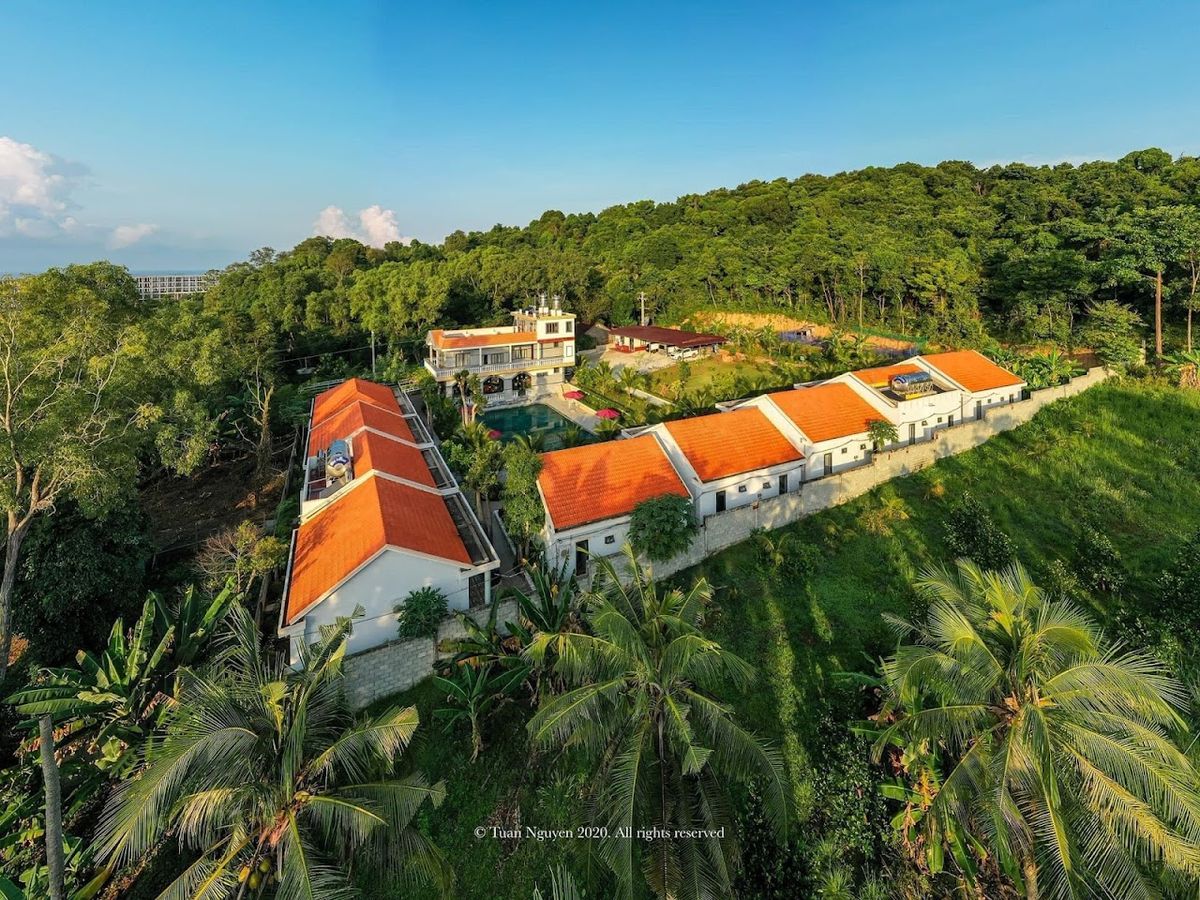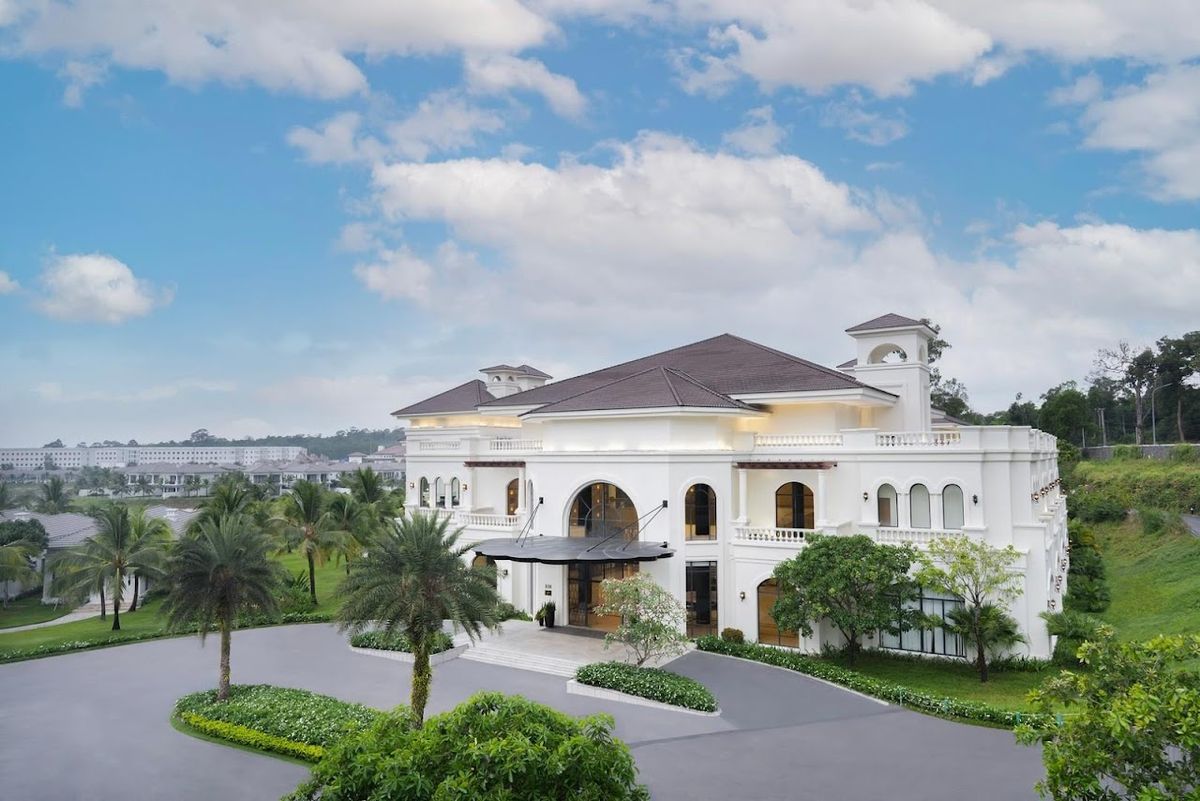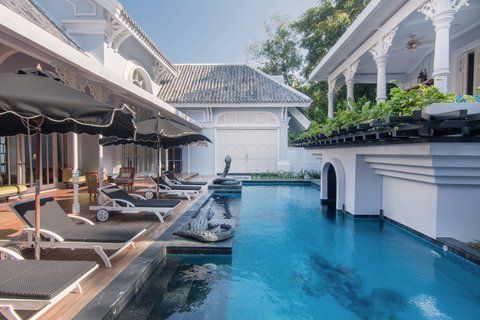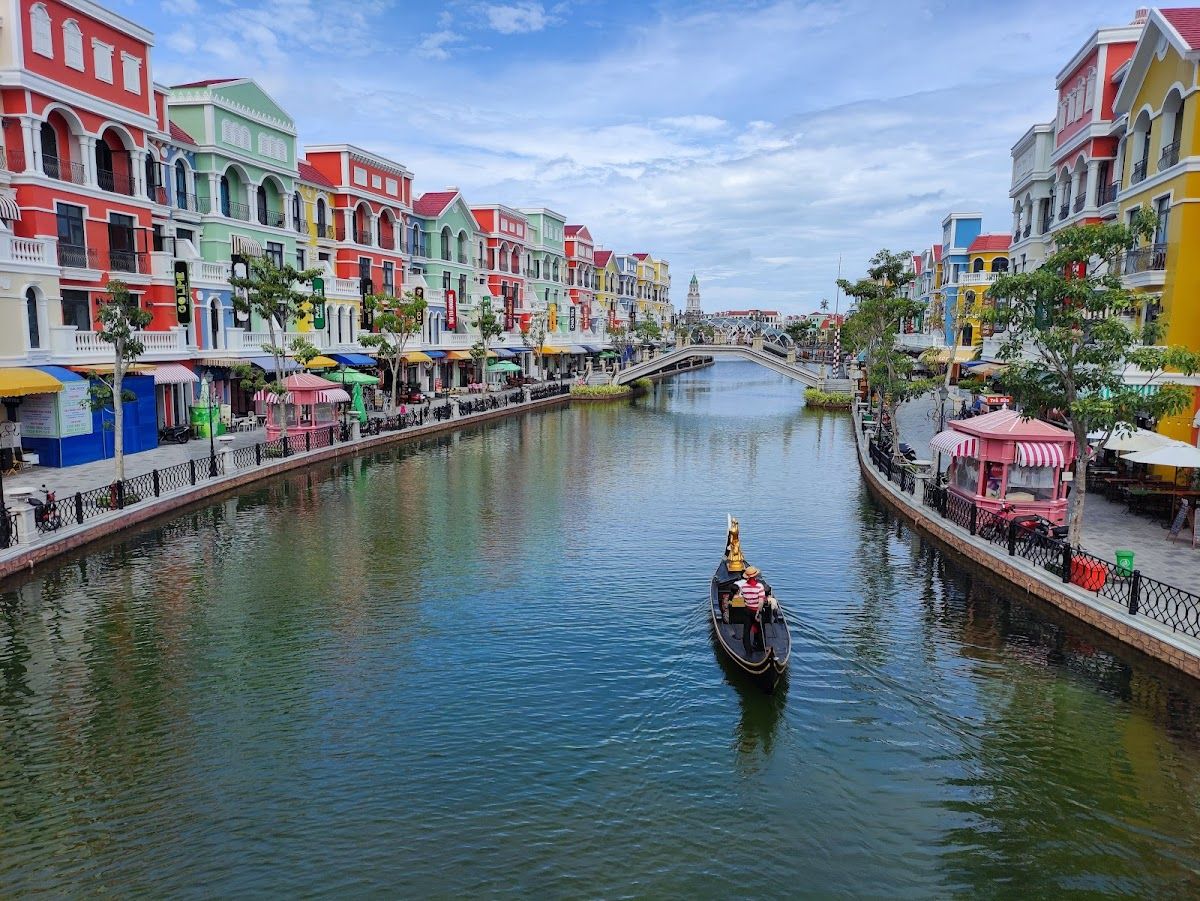
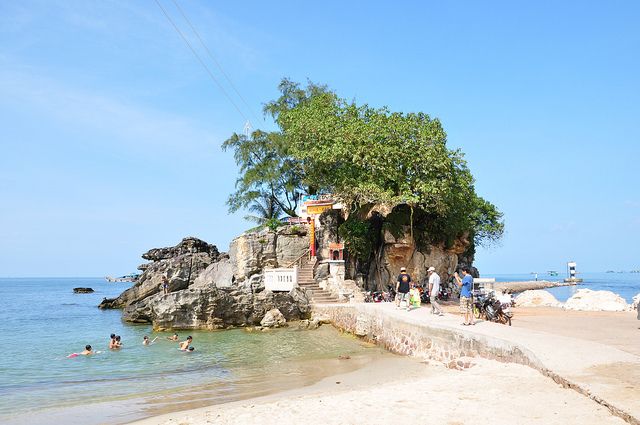
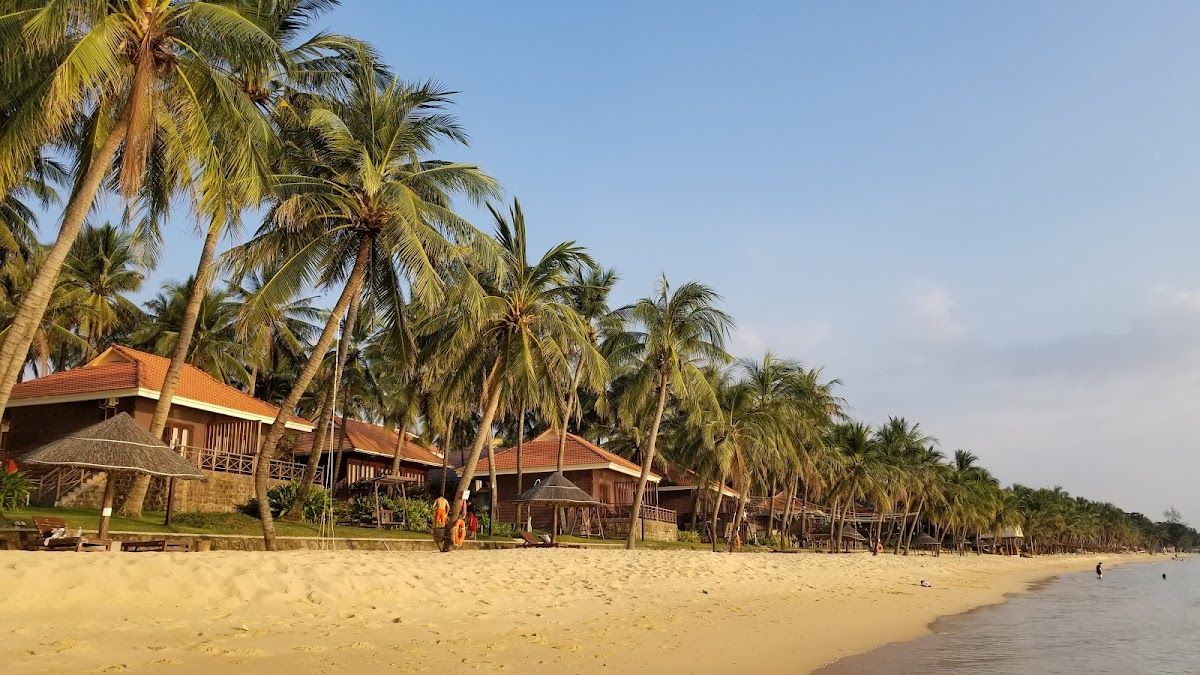
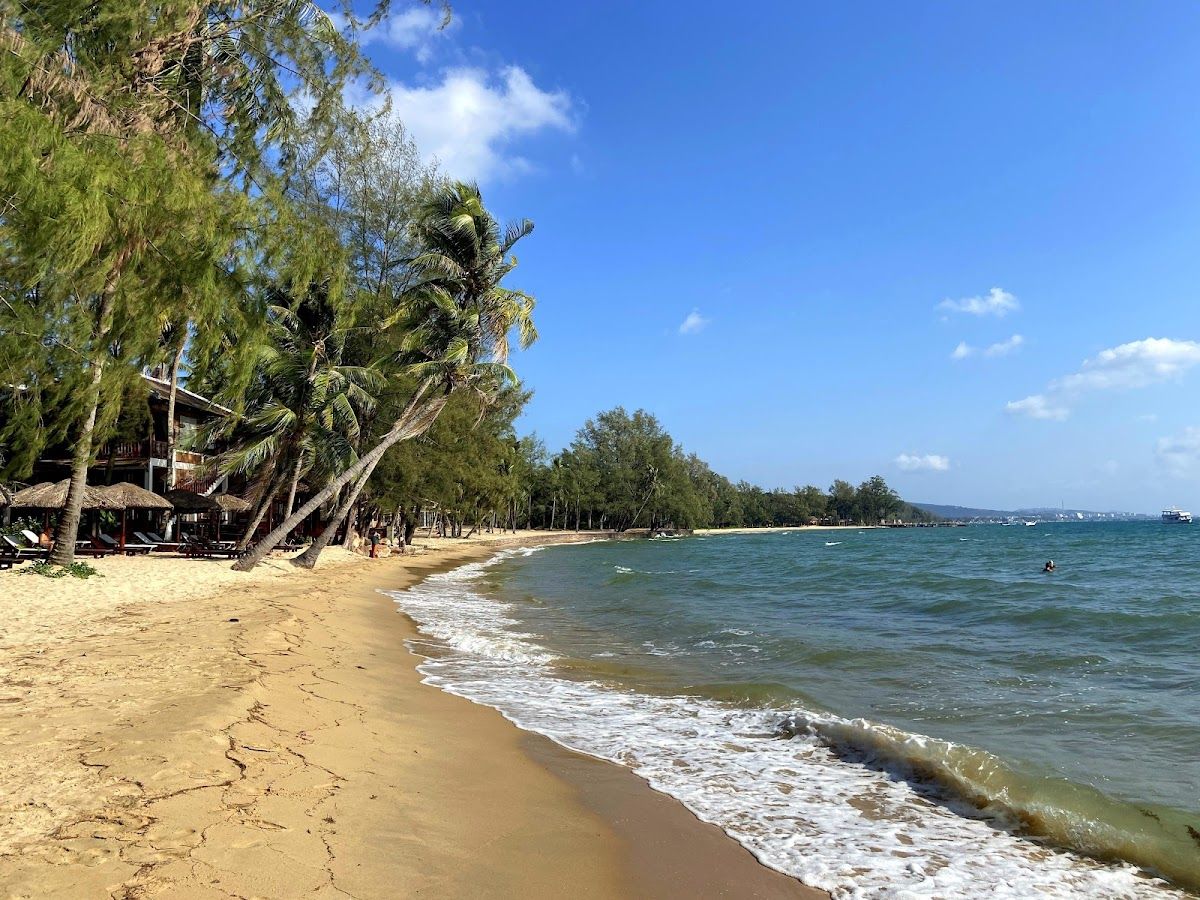

Long Beach — Bai Truong in Vietnamese — runs for roughly 20 km down the west coast from Duong Dong toward the resort zones near An Thoi. It is the most developed stretch of beach on the island: most of the name-brand resorts, the busiest beach bars, and the widest choice of food and drink between sunrise and late evening.
The short version
- Long west-coast strip, closest beach to Duong Dong (10 min south of the night market)
- Best sunsets on the island — west-facing, unobstructed, reliable in the dry season
- Most beach bars, restaurants, and mid-to-upscale resorts
- Not the whitest sand on the island (Bai Sao wins that contest, see An Thoi & Bai Sao)
- Good base if you want beach access plus town proximity
- Resorts range from budget bungalows to five-star; busiest and priciest December–March
The beach itself
The sand is coarser and darker than the powdery white of Bai Sao, but it’s wide and clean, and the beach is long enough that you can almost always find a quieter patch if you walk fifteen minutes from the main resort clusters. The water is generally calm in the dry season (November–April) with gradual depth — manageable for swimming. In the wet season (May–October) there’s more chop and some days the water turns murky.
The west-facing aspect is what makes Long Beach work. Sunsets are good from essentially any spot on the strip, and the beach bar culture here is built around them: drinks in hand, feet in sand, watch the sun drop into the Gulf of Thailand. This is the drill every evening from roughly 17:30 onward.
Resorts and staying on the beach
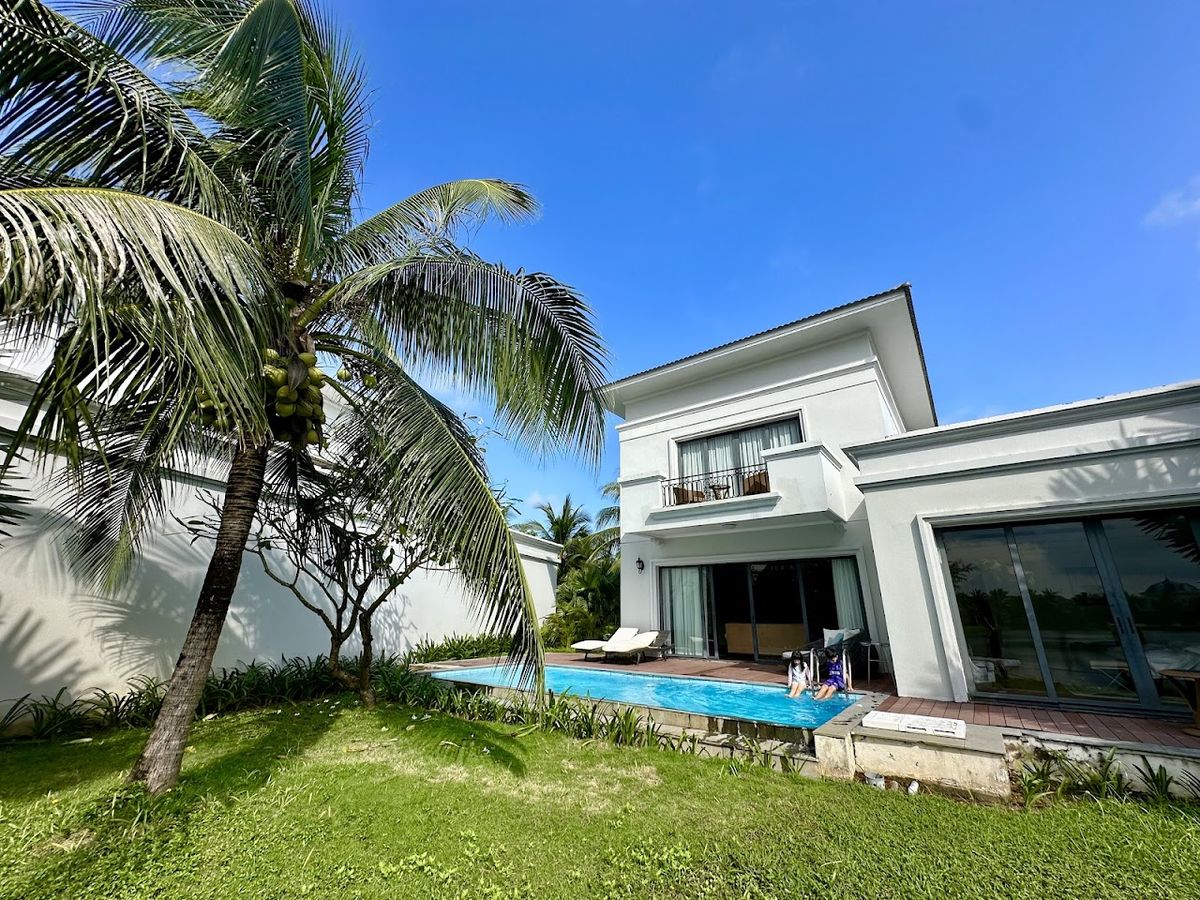
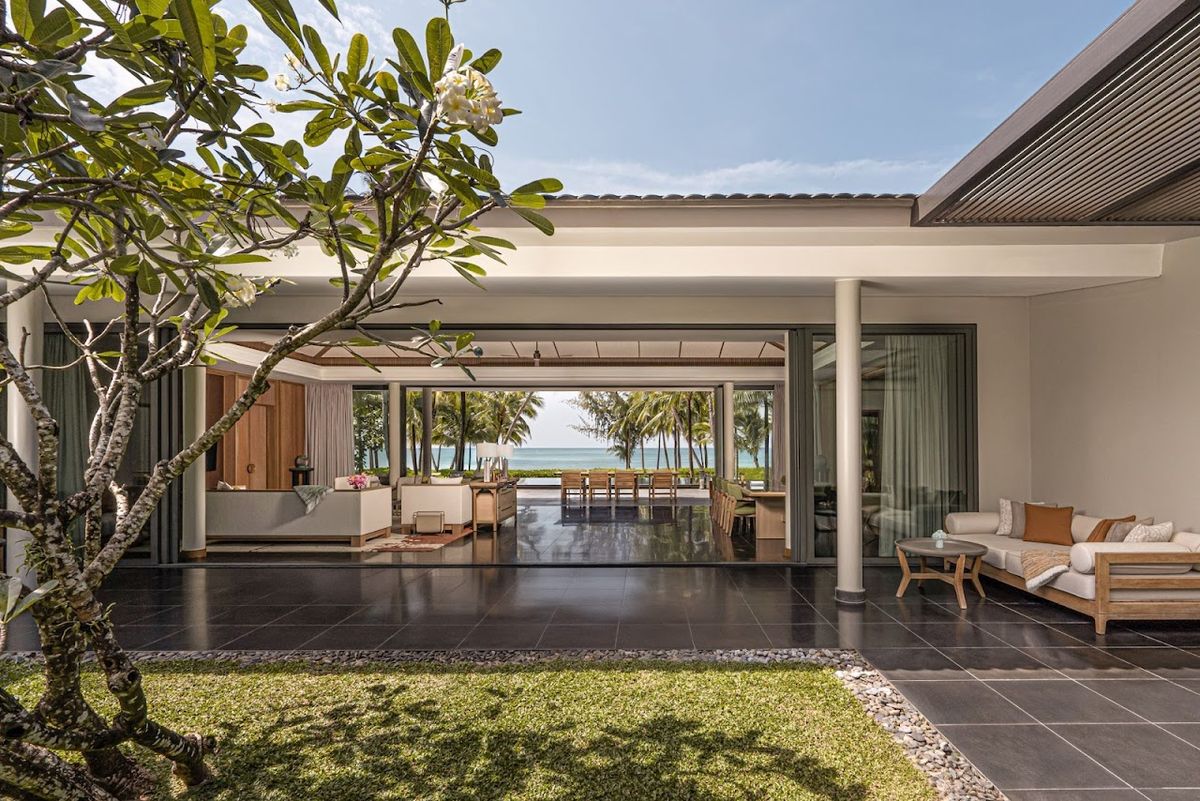
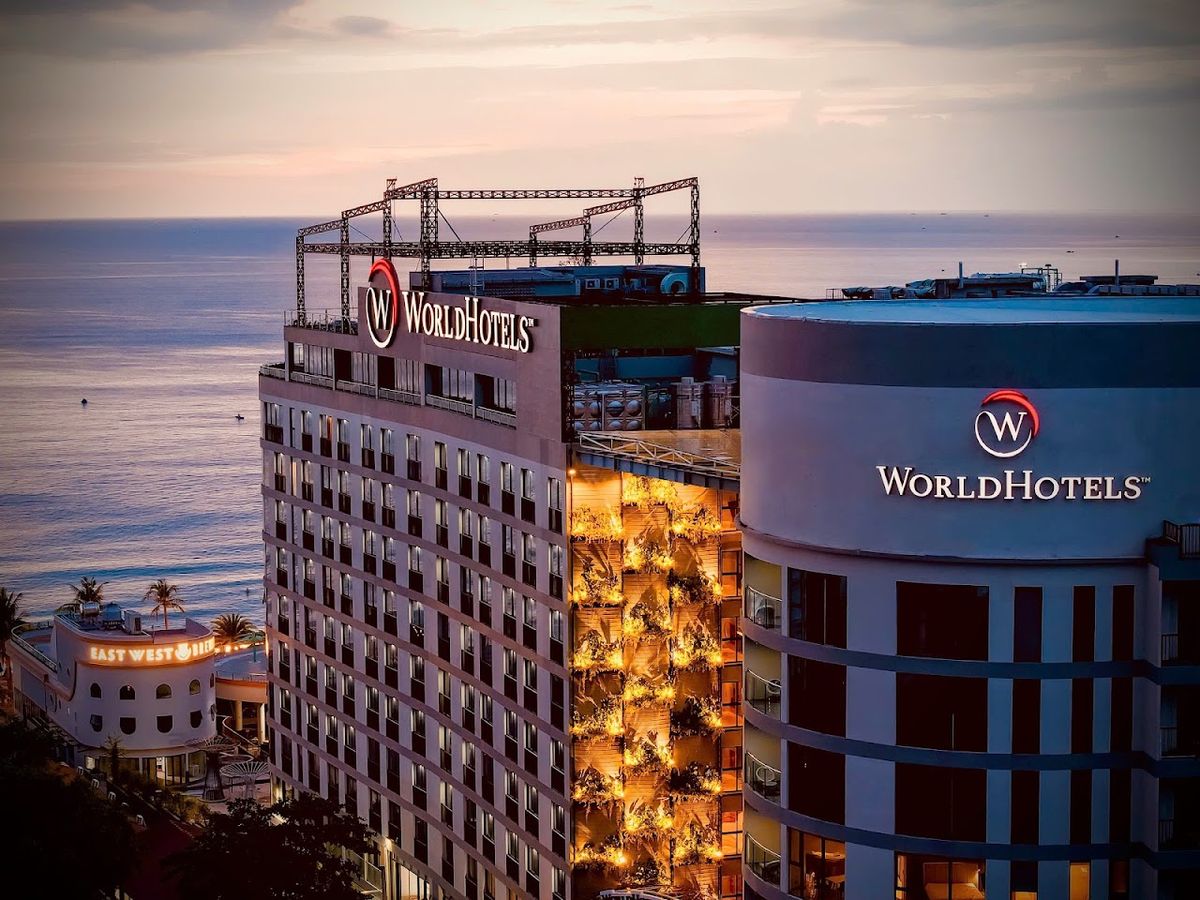
The resort density is highest in the middle stretch of the beach, north of the Novotel and south of Duong Dong. You’ll find everything from simple bungalow guesthouses at 400,000–700,000 ₫ a night (US$16–28) through to established four-star properties and a few luxury spots.
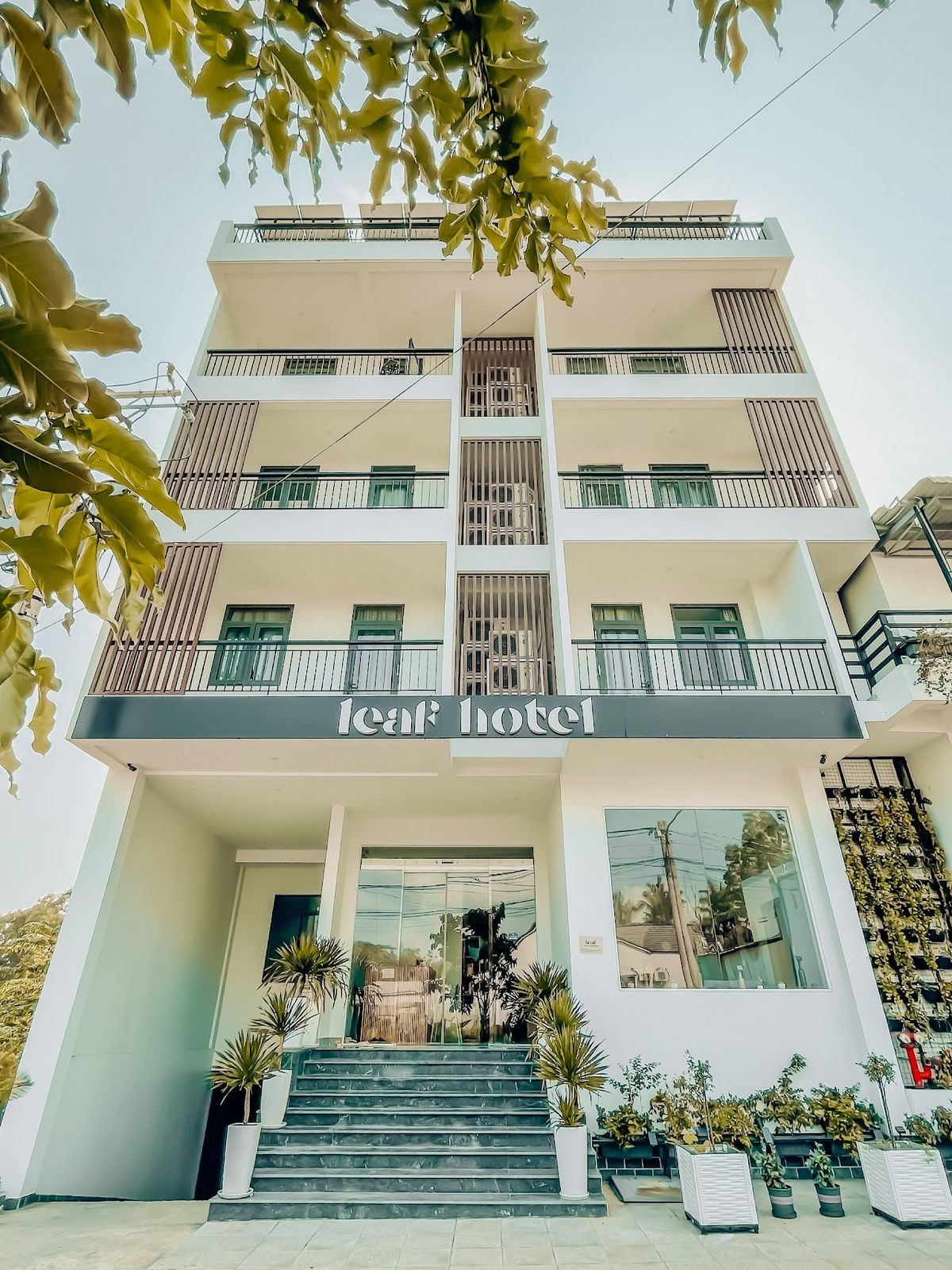
Budget travellers can find good-value guesthouses just back from the beach road (Tran Hung Dao) where the going rate drops considerably. Full options and current prices are on the hotels page.
If you’re primarily here for the beach rather than town life, Long Beach is the call. If you want to be near the night market, markets, and the general noise of a real Vietnamese town, staying in Duong Dong and commuting to the beach makes more sense — it’s ten minutes on a scooter.
Eating and drinking
The resort restaurants along the strip are fine but priced for the captive audience. Walk toward the road and you’ll find Vietnamese local spots charging a fraction of beachfront prices. Seafood is what most people are here for — fresh catches, grilled and served simply.
The beach bars range from shacks with plastic chairs to proper tiki-bar setups with full cocktail menus. Most open mid-morning and run until midnight or later during peak season. There’s no single strip — they’re scattered along the beach road, so you find a spot you like and settle.
What’s nearby
North five minutes: Duong Dong town and the Dinh Cau Night Market. This is the obvious evening move — eat at the market, drink your way back along the beach road.
North 20 minutes: Ong Lang, quieter and less developed, for when you want a change of pace.
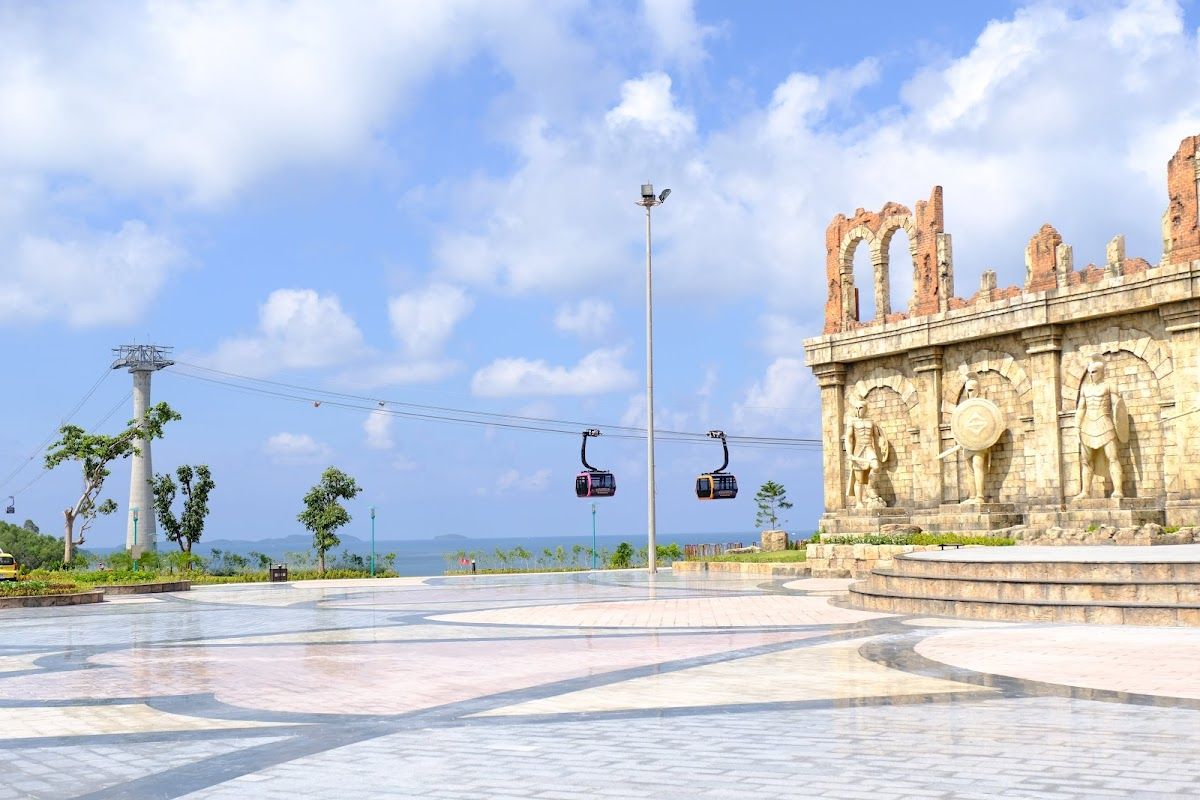
South 40 minutes by scooter: An Thoi & Bai Sao — the cable car, the island-hopping tours, and the whitest beach on the island.
For the full sweep of what’s on the island, activities has the current operator listings.
Getting there
From Duong Dong or the airport, Long Beach is the default first stop. GrabCar from PQC airport runs 120,000–200,000 ₫ (US$5–8); most resorts can arrange a pickup. Scooter rental is easy in town (120,000–170,000 ₫/day, US$5–7) — the beach road runs the whole length and makes for easy cruising.
Tran Hung Dao is the main road that parallels the beach. Most resorts have it on the address.
When to go
December–March is peak: good weather, calm water, reliable sunsets, and the most going on. April is a solid shoulder month. The wet season (May–October) brings afternoon downpours but sunsets on the west coast can still be excellent early in the season (May–June) before the heaviest rain months. Off-peak prices are considerably lower — some resorts drop 40–50% from their December rack rates.
See the best time to visit Phu Quoc guide for a month-by-month breakdown.