

Phu Quoc has 150 km of coastline, but not all of it is equal — or accessible. The five beaches below cover the full spread: the postcard one, the convenient one, the quiet one, the remote one, and the luxury-fronted one. Which one you want depends on what you’re actually after.
The short version
- Bai Sao — the whitest, most photogenic sand on the island; go early before the tour buses arrive at 10am
- Long Beach (Bai Truong) — most convenient, best sunsets, most bars and restaurants; not the prettiest sand
- Ong Lang — quieter than Long Beach, rocks and coconut palms, better for a slow afternoon than serious swimming
- Bai Dai — far northwest near VinWonders, very long and mostly empty, minimal facilities
- Bai Khem — ultra-white sand in the south but largely resort-fronted; access can be restricted for non-guests
- Best months: Dec–Mar for calm, sunny conditions across all beaches
- A scooter or hired car is the only practical way to see more than one beach in a day — they span 50 km of coastline
Bai Sao (Sao Beach)
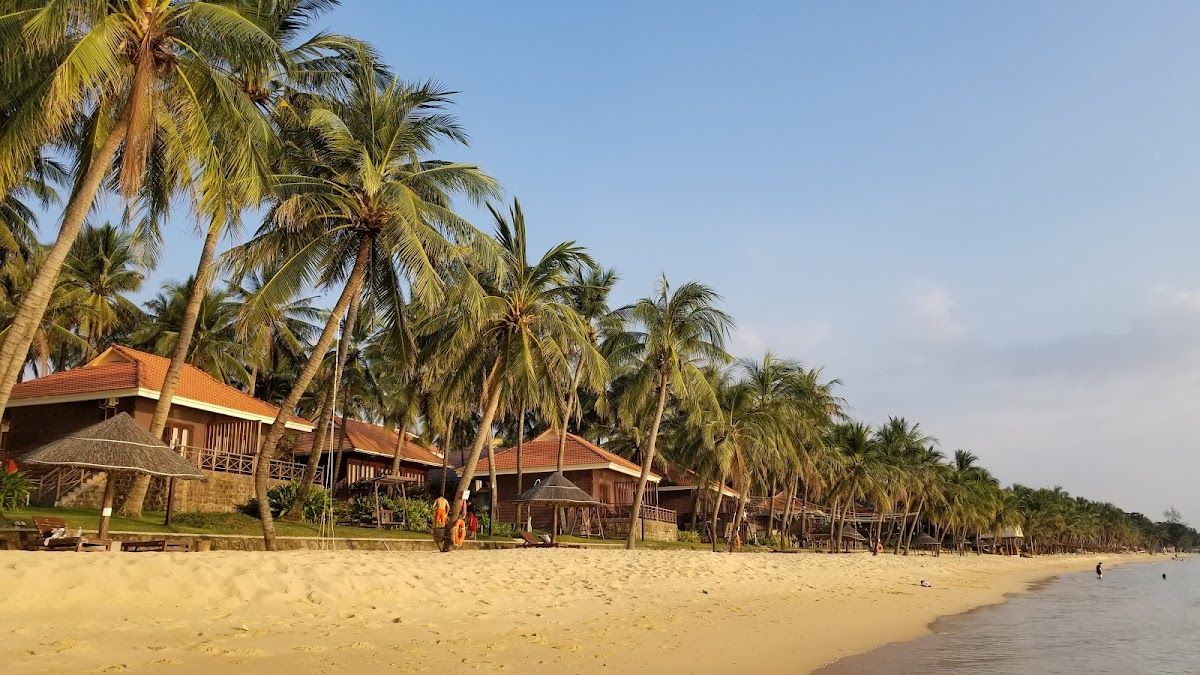
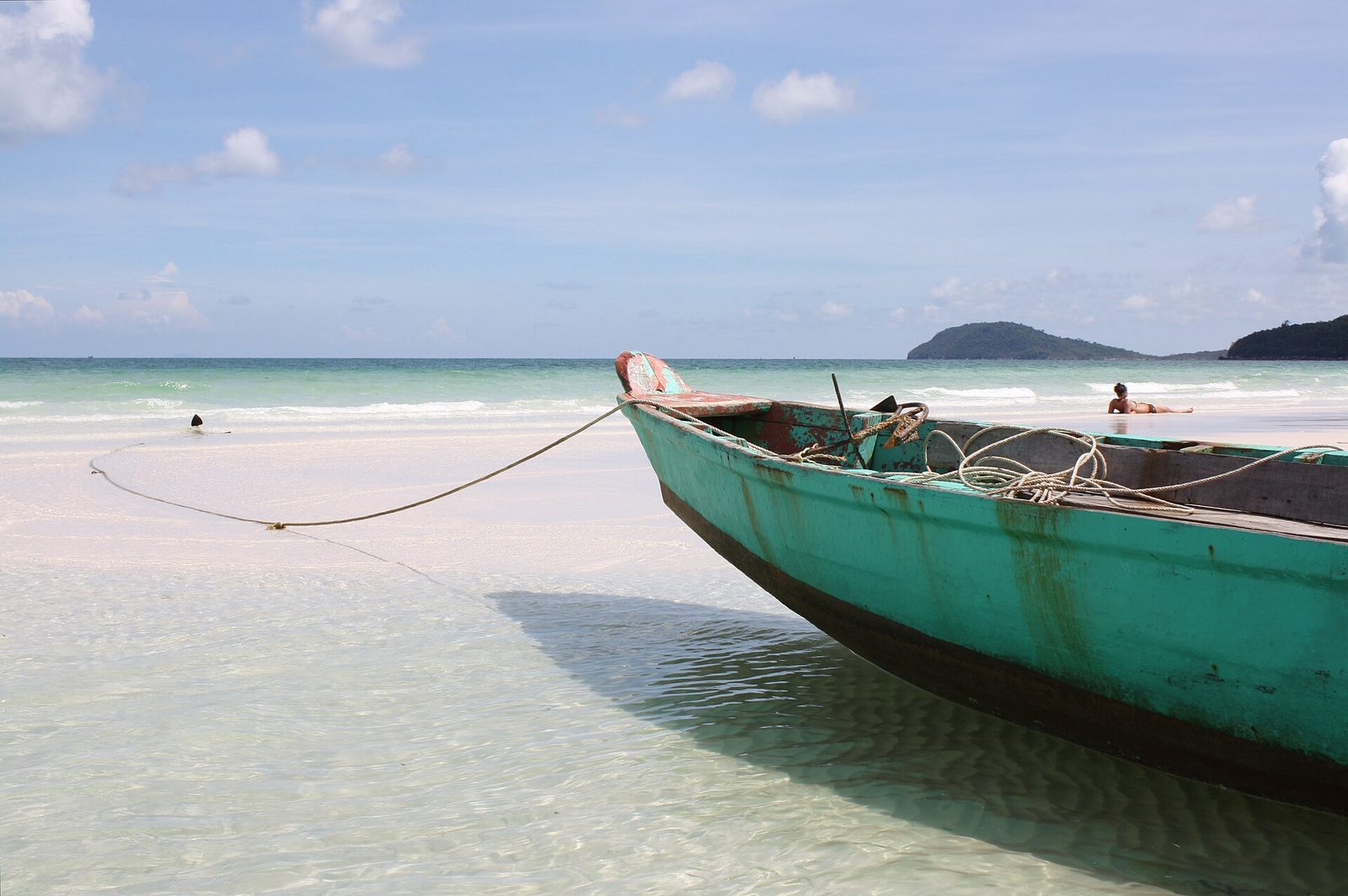
Bai Sao sits on the southeast coast, about 25 km south of Duong Dong town. The sand is powder-white, the water a clear green-blue, and the leaning palms are the ones in every photograph you’ve seen labelled “Phu Quoc.” This is the beach the island is famous for, and it earns it.
The catch: day-tour buses start arriving around 10am and the beach fills quickly. By midday it is at full capacity with group-lunch packages, jet-ski touts, and seafood buffet tables taking up most of the shade. Arrive before 9am and you have a genuinely good beach mostly to yourself.
Getting there: About 40 minutes south of Duong Dong by scooter on the main road, then a left turn towards the coast. GrabBike is possible but can be patchy out here — a GrabCar or full-day scooter rental is more reliable. Count on roughly 200,000–300,000 ₫ (US$8–12) return by Grab if you’re not riding yourself.
Beach clubs and loungers: Several shacks and beach bars line Bai Sao. Some expect you to buy food or drinks (typically a 50,000–100,000 ₫ minimum) to use their chairs; others are free. Walk the full length before setting up — the public section at the southern end is less built-up.
What to skip: The organised seafood lunch buffets running midday are overpriced relative to what you get. If you want good food, drive back towards An Thoi town after your morning swim.
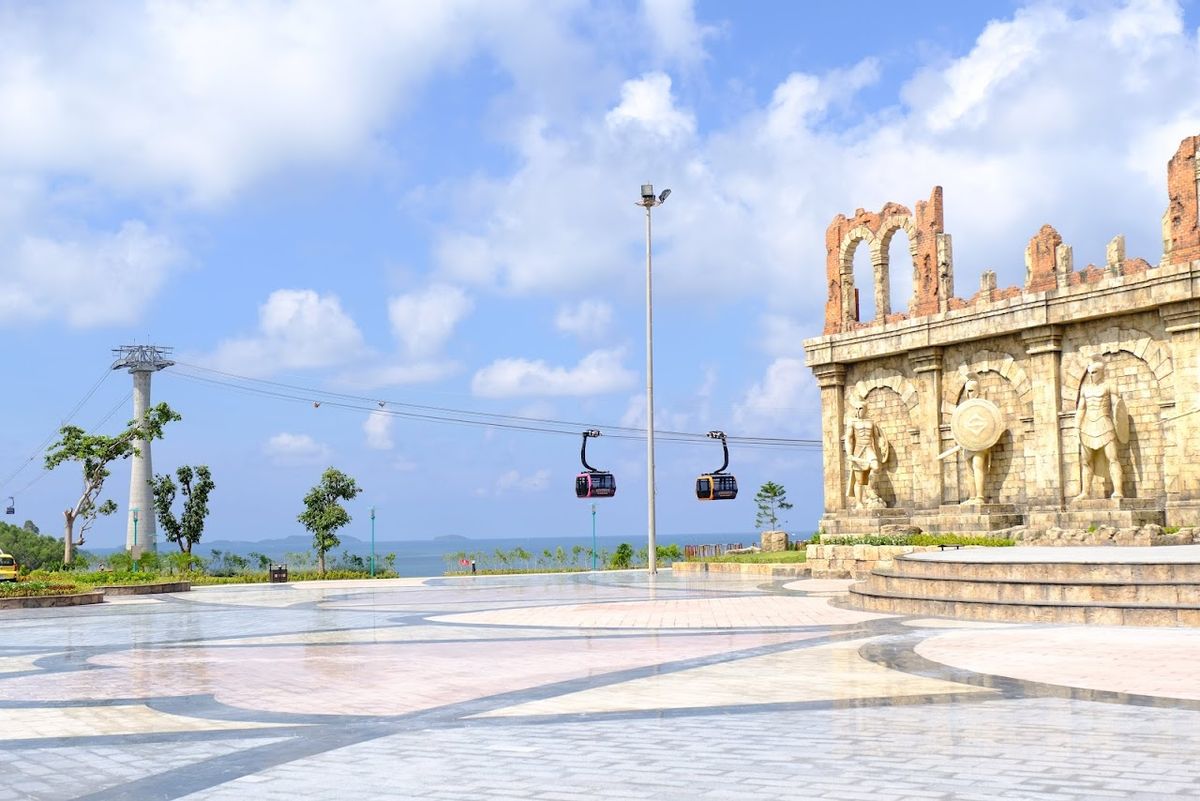
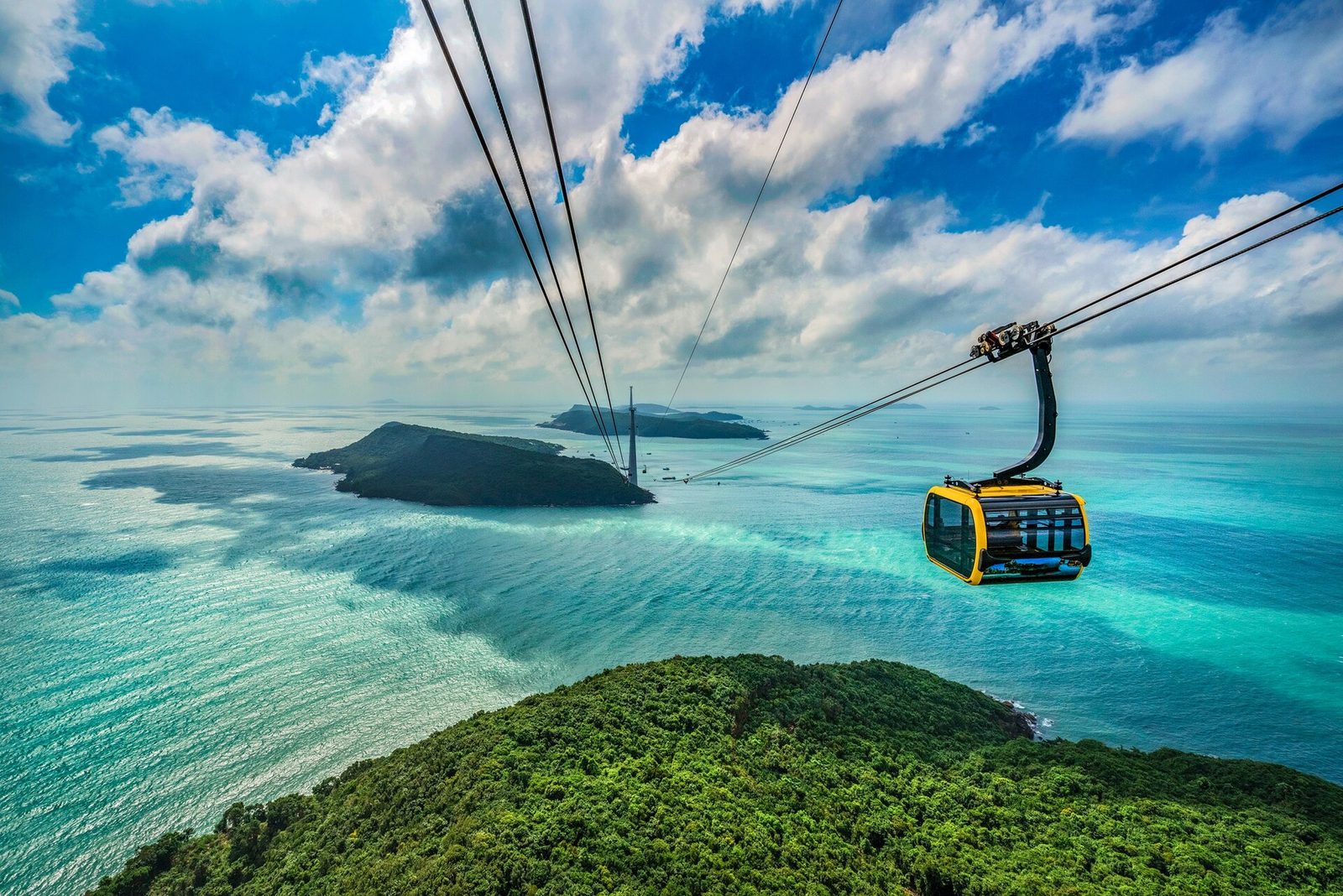
Bai Sao pairs well with the southern loop. The An Thoi cable car, Sunset Town, and island-hopping tours are all in the same corner of the island — a morning at Bai Sao followed by an afternoon at Sunset Town covers both without doubling back.
Long Beach (Bai Truong)
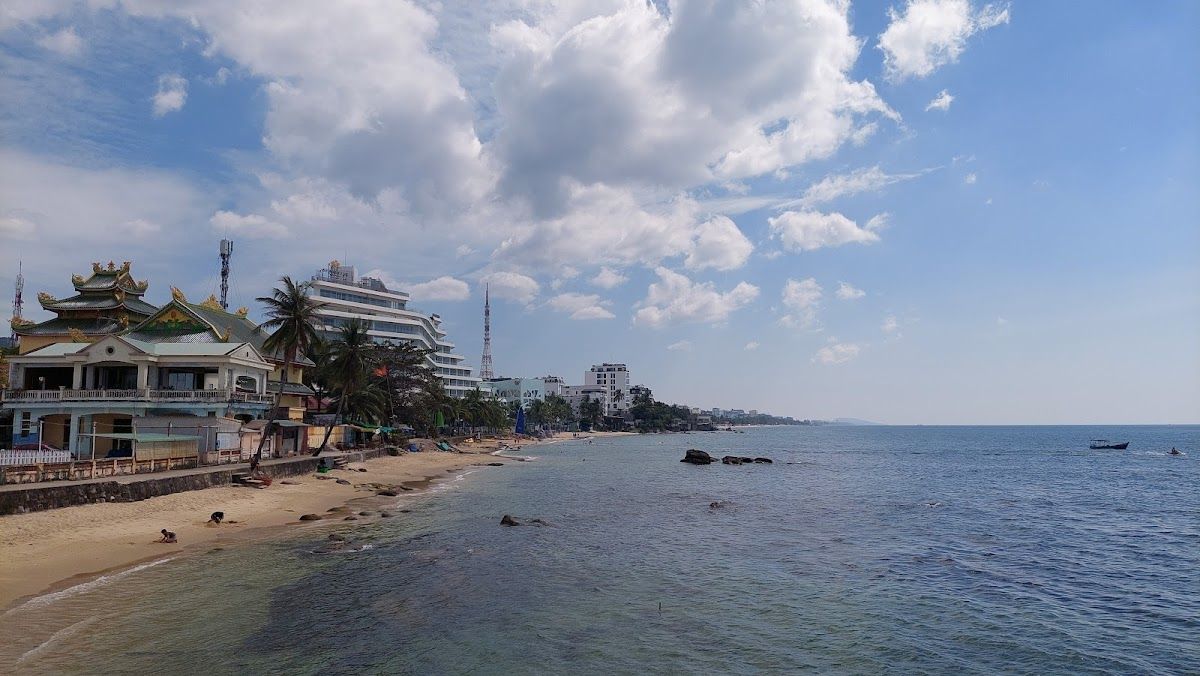
Bai Truong stretches nearly 20 km down the west coast from Duong Dong town south towards the airport. It is the main tourist beach, and the most useful one on the island: your hotel is probably on it or nearby, walking between bars and restaurants is possible without a scooter, and the sunsets are reliable from almost every point along it.
The sand is more golden-brown than white — nothing like Bai Sao. But the water is calm, entry is easy, and there is genuinely good infrastructure: beach bars, sun loungers, jet-ski hire, surf-board lessons (in the small swell that occasionally comes through), and watersports of most varieties.
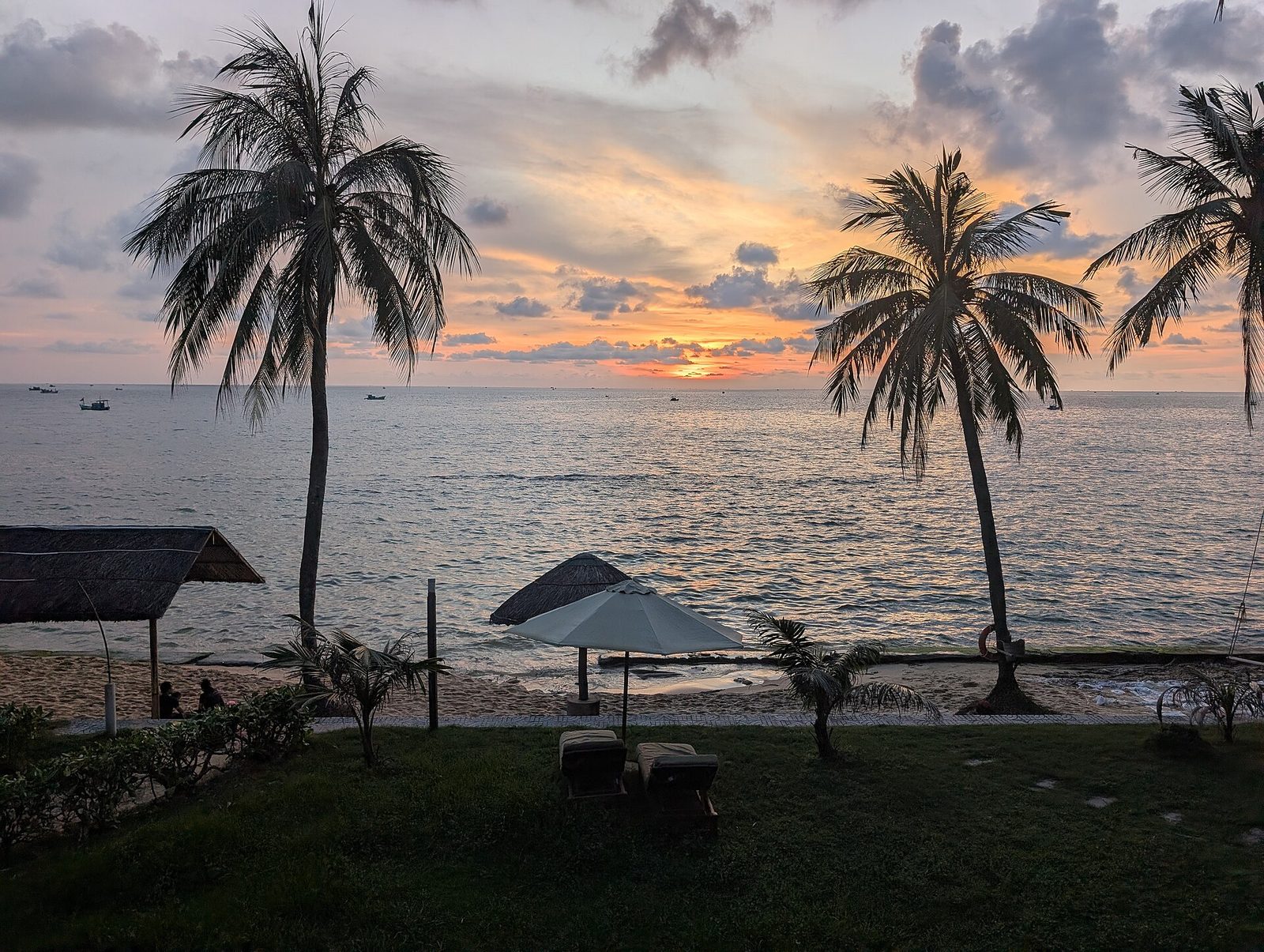
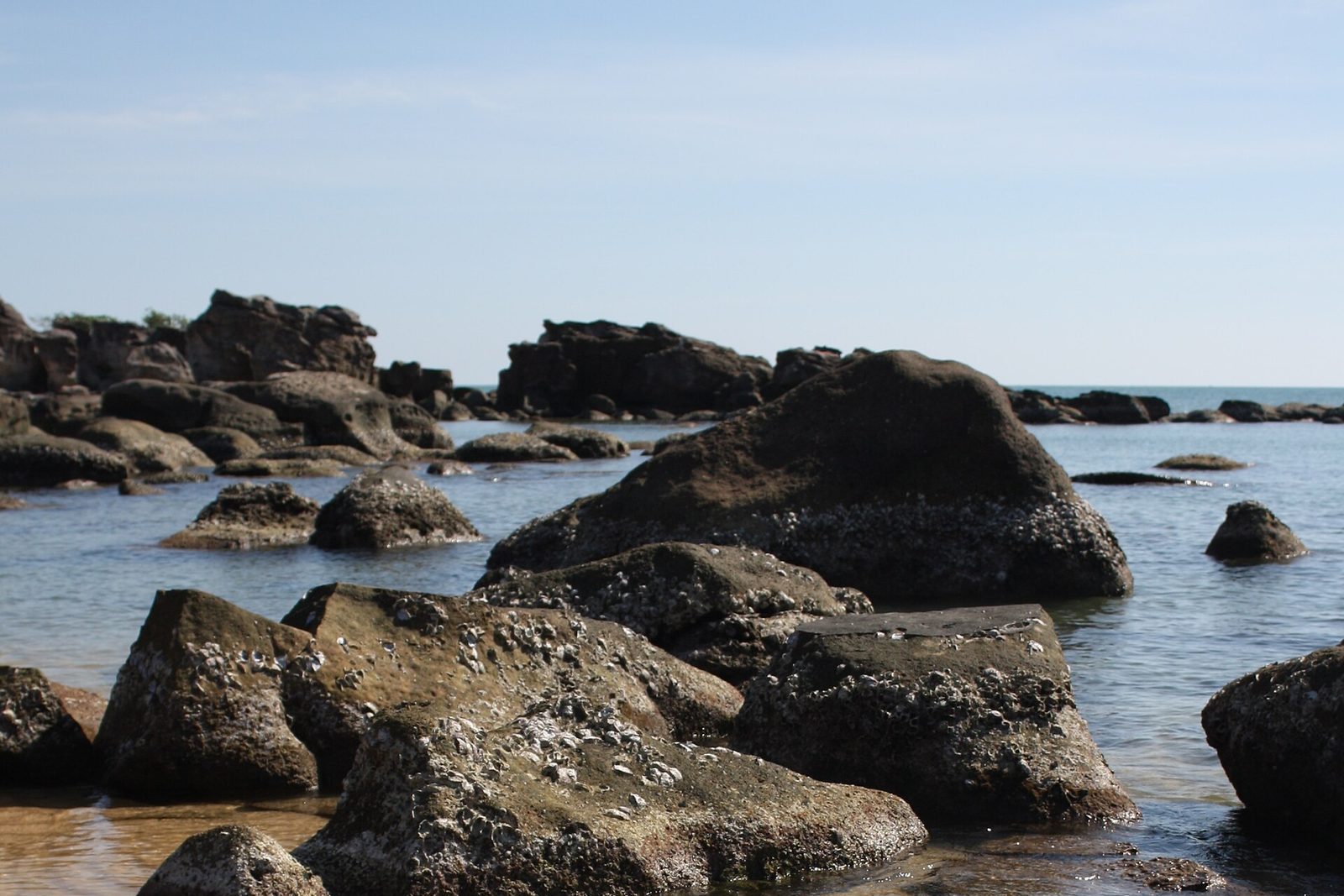
Sunsets: The west-facing coastline delivers from around 5:30–6:30pm depending on the season. This is the main event for most visitors — the entire west coast migrates to beachside bars in the late afternoon. Budget at least one evening doing nothing but watching it from a plastic chair with a beer.
Northern vs southern end: The stretch directly in front of Duong Dong town is busiest and most developed. Head 3–4 km south of town for a quieter section with fewer jet skis and more space. The southernmost section of Long Beach, approaching the airport road, is almost entirely resort-fronted and quieter still.
Getting there: If you’re staying in Duong Dong, you are likely already on it. From the airport, a GrabCar is around 150,000–200,000 ₫ (US$6–8).
Ong Lang
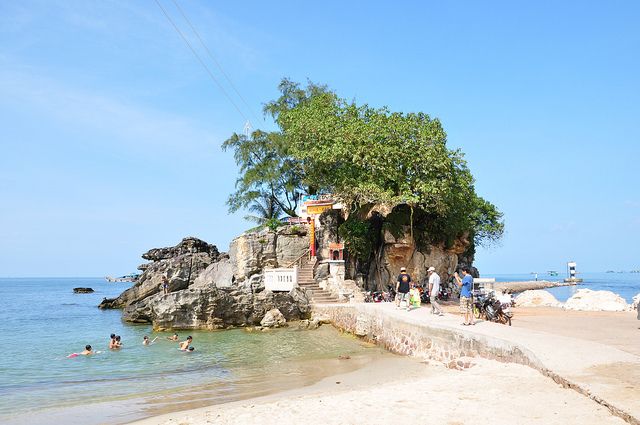
Ong Lang sits about 10 km north of Duong Dong on the west coast, beyond the main Long Beach strip. It is quieter, more rocky at the shoreline, and feels considerably more removed from the tourist centre.
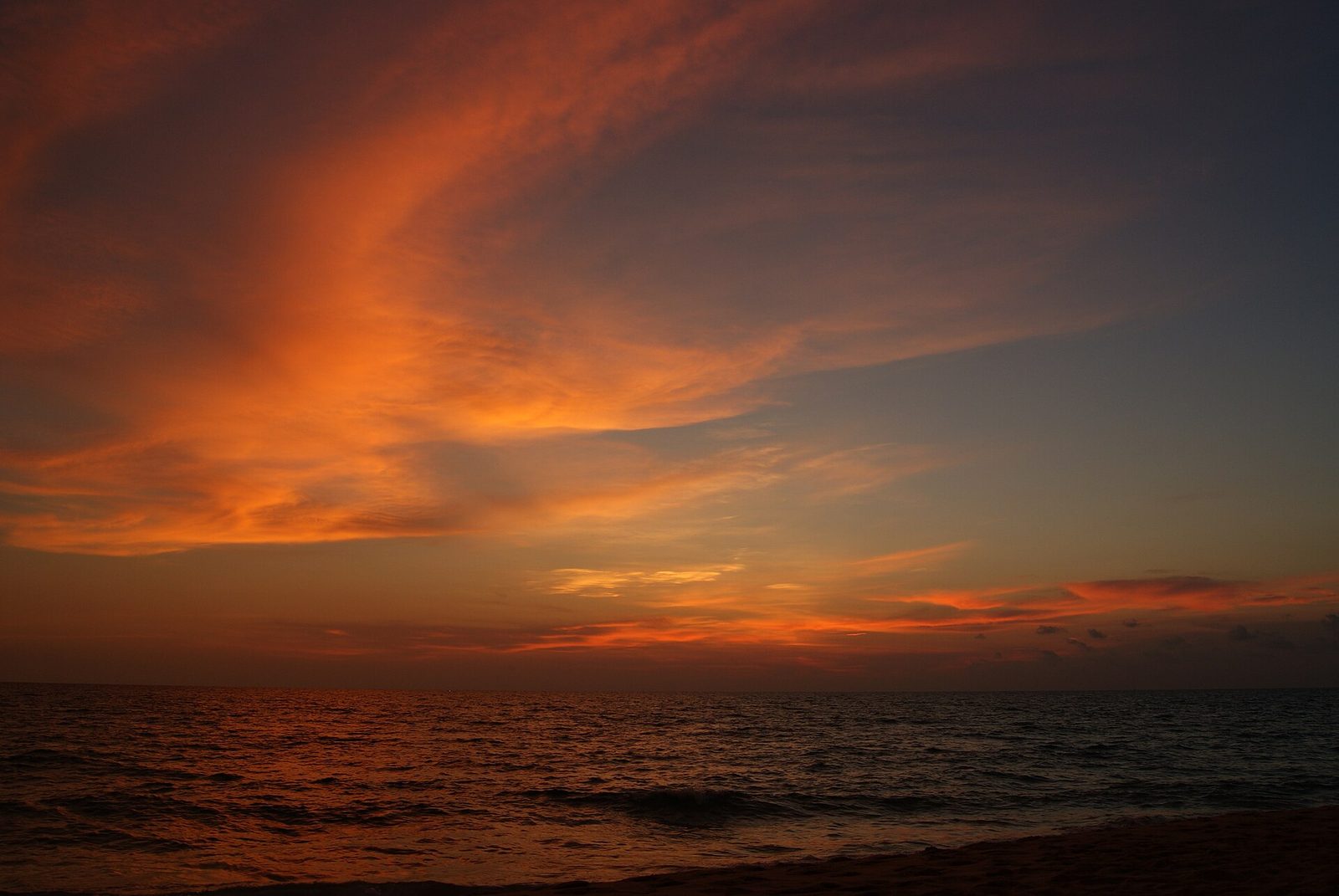
The beach has patches of rock and coral visible at low tide, which makes it less comfortable for swimming than either Bai Sao or Long Beach at low water. High tide is when you want to be in the water here. The trade-off is that the setting — coconut palms close to the shore, a handful of small resorts, no jet-ski operations in sight — has a quality that the main Long Beach strip doesn’t.
Best for: A slow morning with a coffee and a book, a quiet sunset drink, or accommodation that costs considerably less than the equivalent on Long Beach. Several boutique resorts here attract visitors specifically looking for lower density and a slower pace.
Getting there: About 20 minutes north of Duong Dong by scooter. Most Grab drivers can reach the main Ong Lang resorts; service to outlying properties can be patchy.
For accommodation options on this stretch of coast, the Ong Lang area guide has more detail on the neighbourhood and what’s on offer.
Bai Dai
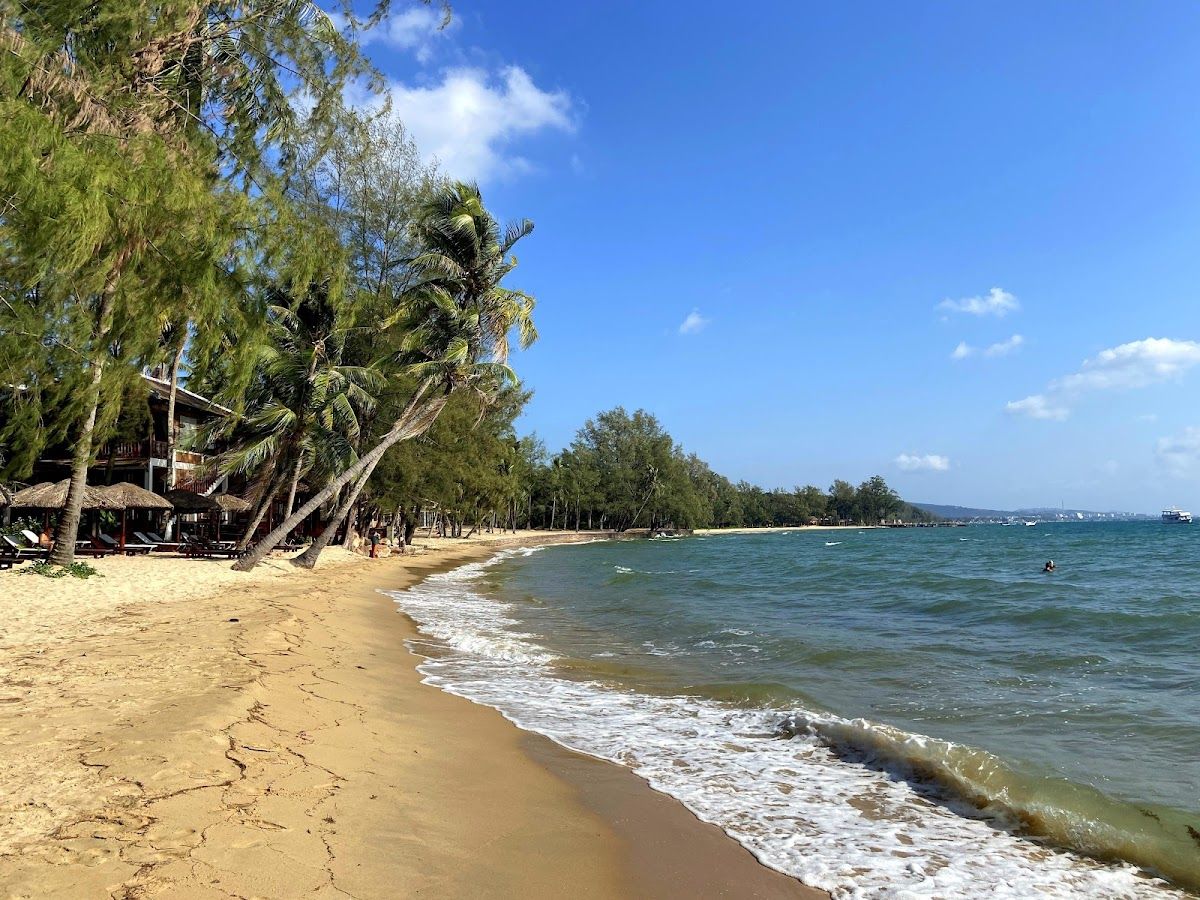
Bai Dai — sometimes called Long Beach north to distinguish it from Bai Truong — runs along the far northwest coast near Ganh Dau, roughly 35 km from Duong Dong. It is long, largely undeveloped, and consistently quiet. There are no beach clubs worth counting on and minimal facilities.
The sand is decent but not as fine as Bai Sao, and the sea here can carry a bit more chop than the more sheltered southern beaches. That said, this is one of the emptier stretches of coastline on the island, and it earns a visit if you want to be somewhere genuinely peaceful.
When to go: Works well as an add-on to a day trip to the VinWonders and Vinpearl Safari complex nearby — it’s a 5-minute drive from the Ganh Dau entertainment zone to the coast. Good for decompressing after a full park day. See the full VinWonders and Vinpearl Safari guide if that’s part of your plan.
Getting there: A scooter from Duong Dong is the practical option — about 45 minutes. Some north-area resorts have shuttle services. Grab is unreliable at this distance from town.
Bring: Water, sun protection, and whatever you need for the day. There are a few roadside vendors near the beach but nothing reliable.
Bai Khem (Khem Beach)
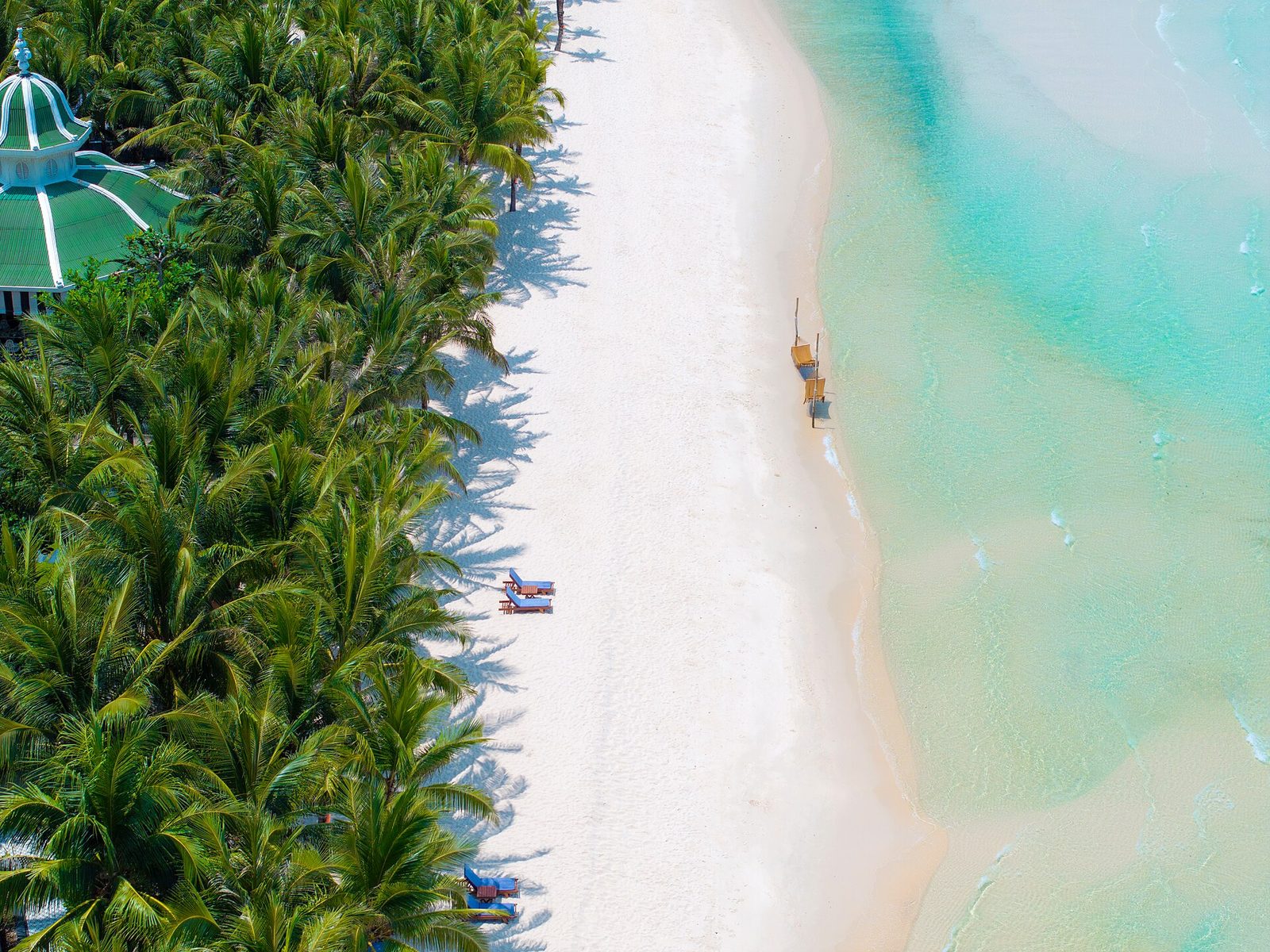
Khem Beach is in the south of the island, about 3 km from An Thoi town and close to the airport. The sand is very fine and white — on a par with Bai Sao — and the sheltered bay gives calmer water than most of the west coast.
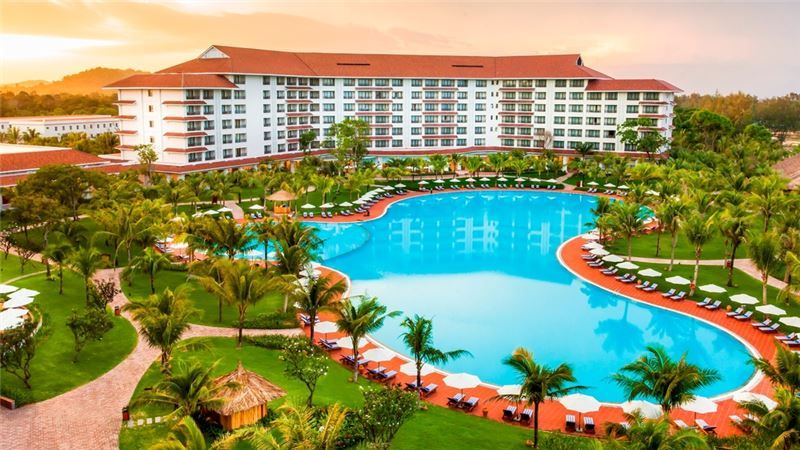
The situation with access has changed in recent years. The beach is now largely fronted by the JW Marriott Phu Quoc Emerald Bay and Premier Village resorts. There is a public section of beach, but it is limited in length and non-guests have encountered security at resort entrances before reaching it. If you are not staying at one of these properties, confirm the current access arrangements before making a specific journey.
Getting there: About 40 minutes from Duong Dong by scooter or car heading south; around 15 minutes from the airport. The road is clearly signed.
Best for: Guests at the Marriott or Premier Village, who get the full beach with facilities. If you are not staying there, Bai Sao offers comparable sand quality with far fewer access complications.
When to go
All five beaches are best from November through April. December to March is the peak dry season — sunny, calm seas, low humidity, around 27–28°C. This is also the most expensive and busiest period at Bai Sao in particular.
May through October brings the rainy season. Afternoon showers are common and can be heavy, though they usually pass quickly. The west-coast beaches (Long Beach, Ong Lang) are more sheltered; Bai Sao on the southeast can get wave chop when the south wind picks up. Some island-hopping tours near An Thoi pause in July–September when seas are roughest.
April and October are the shoulder months — fewer crowds, mostly decent weather, and noticeably lower prices at most accommodation. Worth considering if you are flexible. More detail on timing in the best time to visit Phu Quoc guide.
Getting between beaches
The five main beaches span roughly 55 km of coastline. You cannot walk between them. A scooter or hired car with a driver is essential for covering more than one in a day.
- Scooter rental: 120,000–170,000 ₫/day (US$5–7). Available from most guesthouses in Duong Dong. An international driving licence is technically required; in practice, enforcement is inconsistent, but check your travel insurance covers you regardless.
- Hired car + driver (half or full day): the sensible option if you don’t ride, especially for families or the longer Bai Dai/Ong Lang runs. Ask your hotel or book a Grab in advance for a set itinerary.
- Grab: works for single-beach trips from Duong Dong. Less reliable for Bai Dai or remote parts of Ong Lang.
For tours, water sports, and organised excursions from each beach, the activities index has current operators. Hotels on or near the beach are at /hotels/.
Want to see the reefs off the south coast as well as the beaches? GetYourGuide lists a 6-hour speedboat snorkelling tour to 4 islands and 2 reefs at US$61 per person, rated 4.8 from 442 reviews (checked 13 Oct 2026). See the snorkelling tour on GetYourGuide
Where you sleep changes which of these you can reach before breakfast. The where to stay guide measures that.
FAQ
Which Phu Quoc beach should I go to?
Bai Sao, if you want the white sand the island is known for. Arrive before 9am. Long Beach if you want sunset, food and an easy walk from a hotel. Bai Khem if you are staying at one of the southern resorts.
Is Ong Lang good for swimming?
It is a better slow afternoon than a swimming beach. The shore is rock and coconut palms, not a long sandy shelf.
When are the beaches calm?
December to March. The five beaches span about 50 km, so a scooter or a hired car is the practical way to see more than one in a day.