

The honest answer: Phu Quoc has two distinct seasons and the difference between them is real. The dry season runs November to April; wet season is May to October. They’re not interchangeable — the wet months are cheaper and quieter, but some activities become unreliable, the sea roughens, and a few days can be properly grey and wet.
What follows is a month-by-month breakdown so you can match the time of year to what you’re actually coming for.
The short version
- Best overall: December to March — sunny, calm, peak condition for beaches and snorkelling
- Shoulder sweet spots: April and October — fewer crowds, mostly good weather, better prices than peak
- Wet season (May–October): cheaper, quieter, green; afternoon downpours common; seas rougher; some island tours pause in Jul–Sep
- Driest and busiest: December–January (also highest prices, book ahead)
- Best for waterfalls: August–September (wet season), when they’re actually flowing
- Visa: 30-day exemption for any nationality arriving directly from outside Vietnam — no e-visa needed
Dry Season: November to April
November
Early November is still seeing the tail of the wet season — occasional heavy rain, humidity easing, seas calming. By mid-to-late November the trade winds arrive, skies clear, and prices start to lift from wet-season lows. It’s one of the better times to visit if you want dry-season conditions without paying dry-season prices. Crowd levels are moderate.
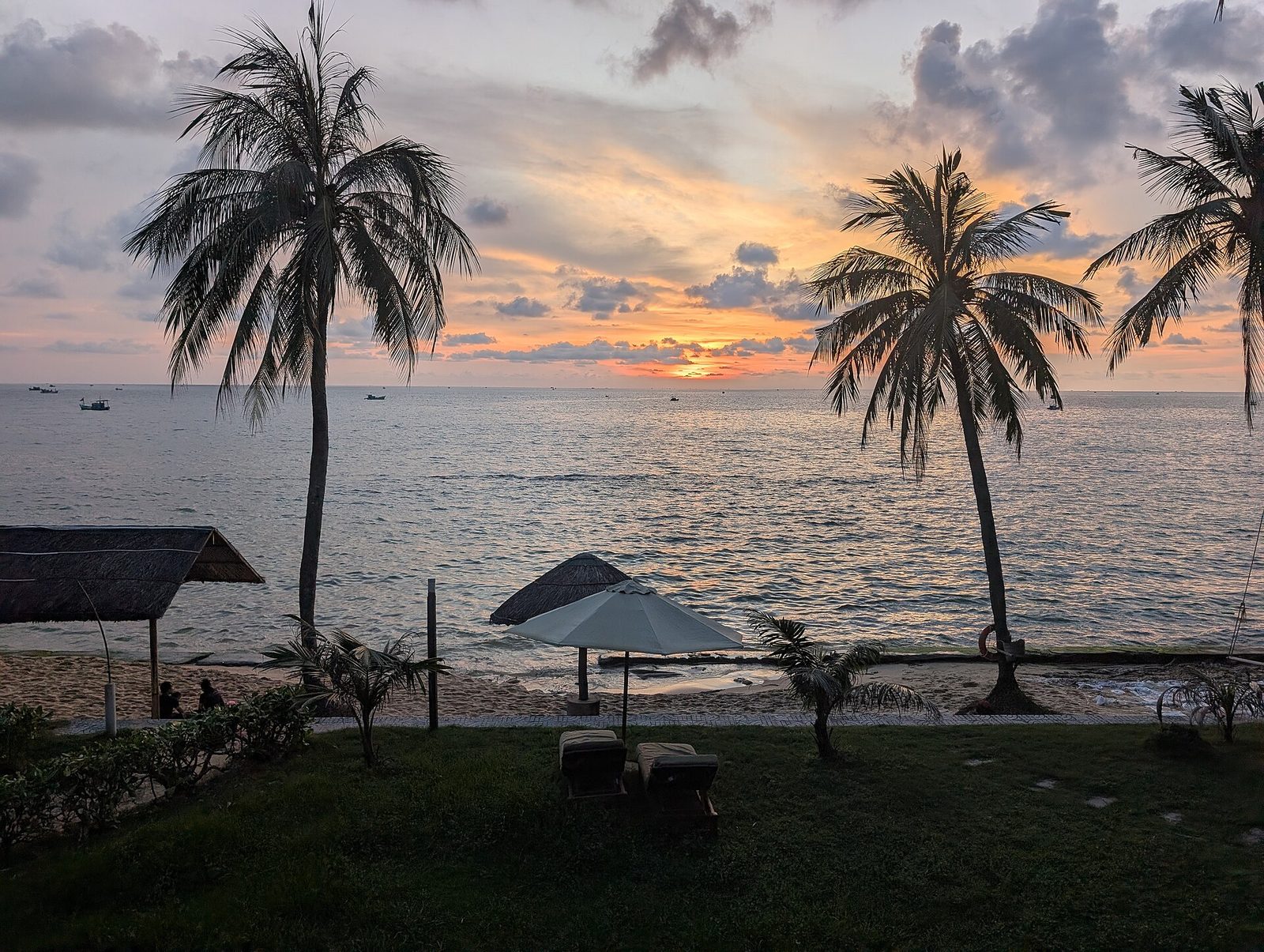
Sea conditions improve significantly through the month, and the west-coast sunset views — often cloud-streaked earlier in the year — start looking the way they do in the brochures.
December and January
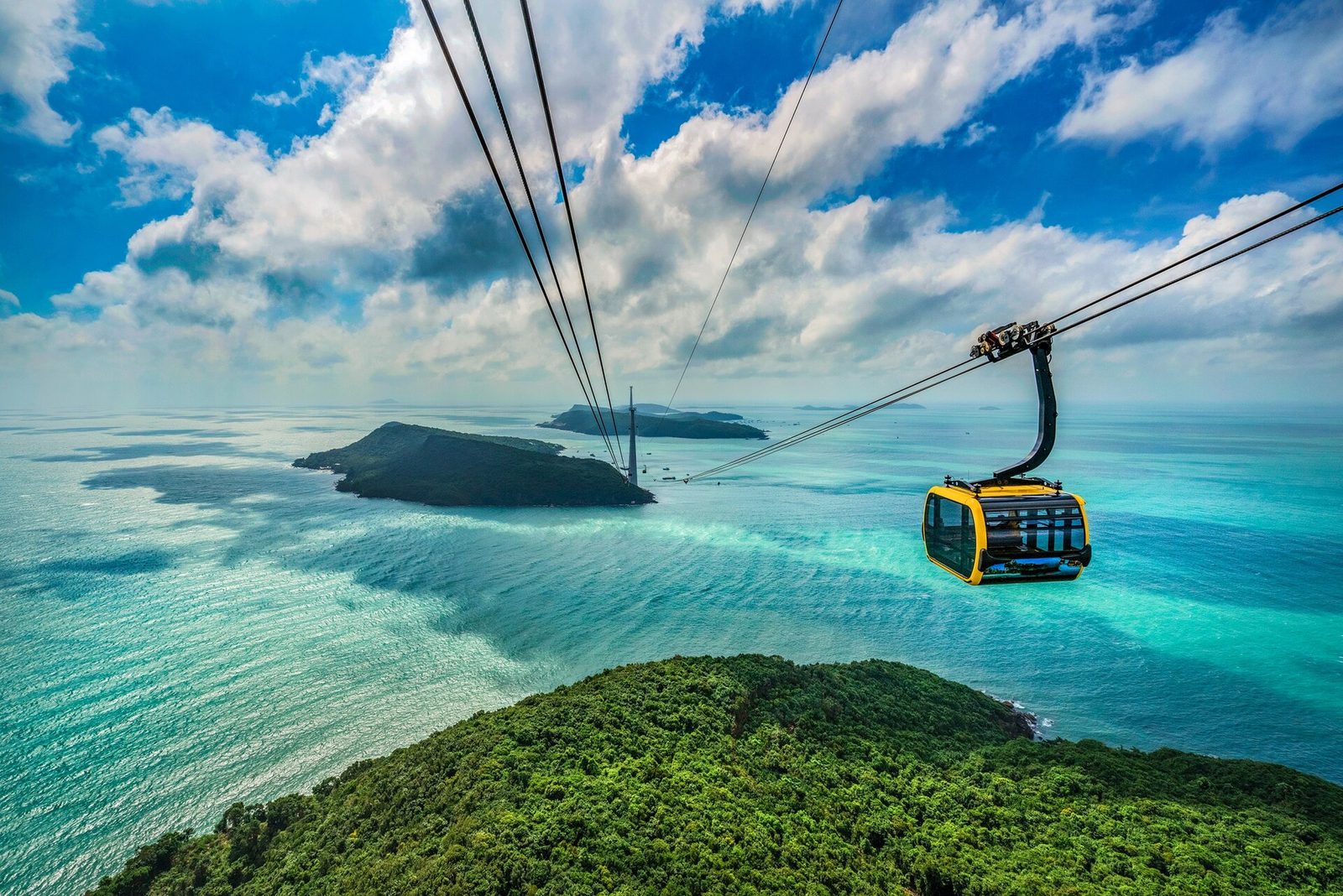
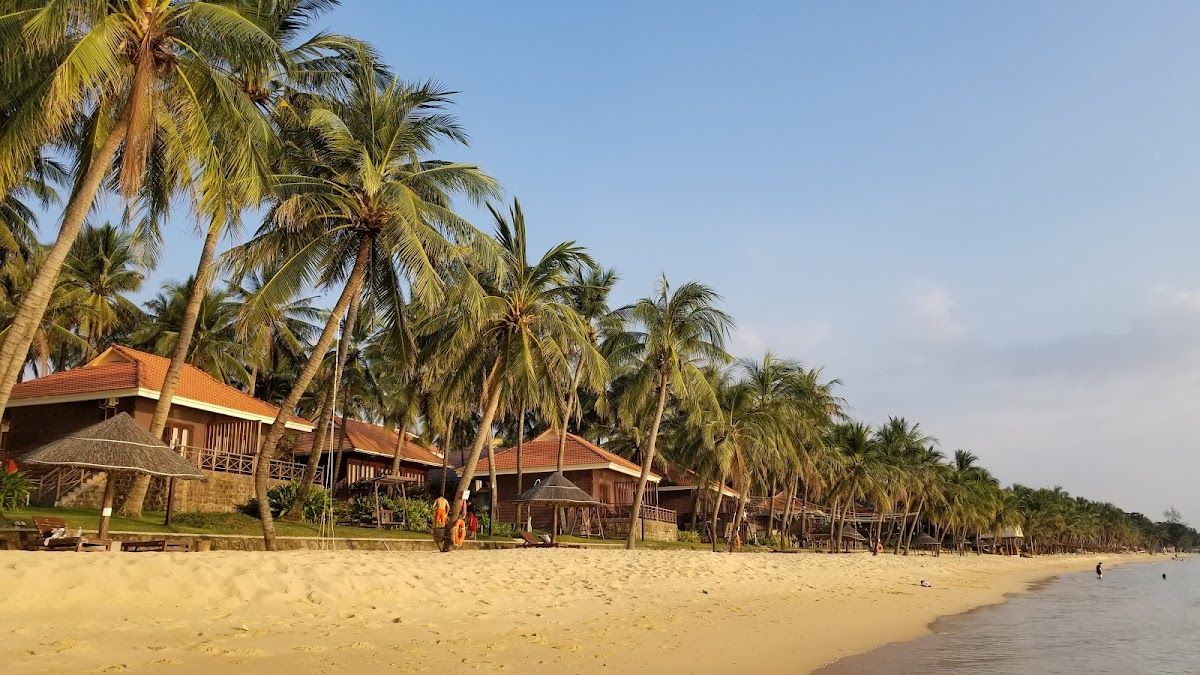
Peak season. Temperatures hover around 27–28°C, humidity drops to comfortable levels, and the sea is calm enough for island hopping, snorkelling, and cable car trips without worry. This is when Phu Quoc is at its most photogenic.
It’s also the busiest and most expensive time. International visitors are out in numbers alongside domestic Vietnamese tourists on school and public holidays. Book accommodation ahead, especially in the Christmas/New Year window and around Vietnamese New Year (Tet, which falls in late January or early February depending on the lunar calendar). Expect higher accommodation rates and busy beaches.
February
Still excellent. If you’re visiting around Tet, the atmosphere in Duong Dong can be lively with local celebrations, though some restaurants and shops adjust their hours around the holiday. Outside Tet, it’s a slightly quieter version of December/January — same weather, marginally lower prices in some properties.
March
One of the strongest months. Consistent sun, calm seas, average temperatures still in the high-20s. Crowd levels ease slightly from the January–February peak. If you have flexibility, March is close to the best the island offers without December prices.
April
The shoulder month between dry and wet seasons. Early April is still very good — sun, calm water, manageable humidity. By late April the humidity starts climbing and the first afternoon showers appear. The trade-off is noticeably lower prices and fewer tourists than peak. Beaches are uncrowded; the main sights aren’t queued.
The waterfalls (Suoi Tranh, Suoi Da Ban) are still fairly low in April. If you specifically want to see them in flow, the wet season is the better choice.
Wet Season: May to October
“Wet season” doesn’t mean it rains constantly. It means heavy afternoon downpours — typically 45 minutes to two hours — that clear by evening, with mornings that can be pleasant. What varies month to month is how frequent the rain is, how rough the sea gets, and how much activity disruption results.
May
The wet season begins, but May is milder than what follows. Mornings are often clear. Afternoon rain arrives more consistently but isn’t yet daily. The sea is noticeably rougher than peak, but island-hopping trips still run. Prices are lower, accommodation is easier to find, and the landscape gets greener.
West-coast sunsets remain good — the clouds from the approaching afternoon storms can make for dramatic skies.
June
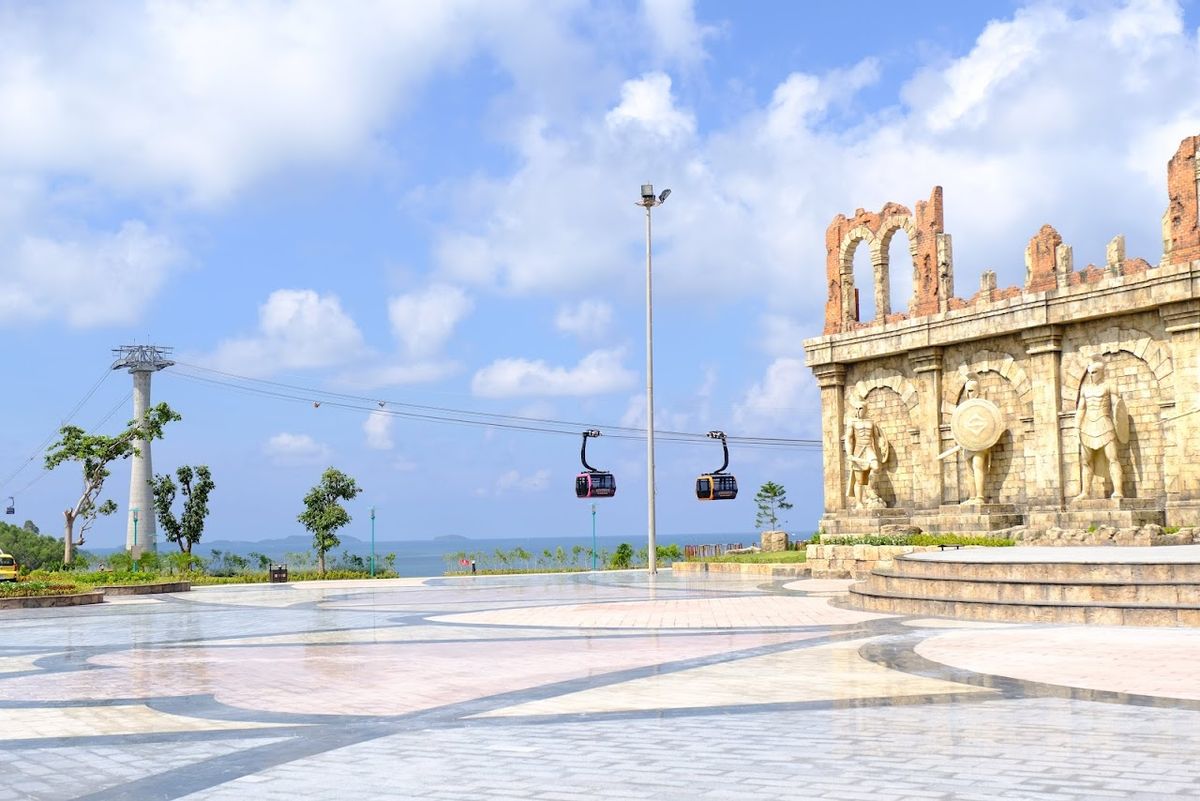
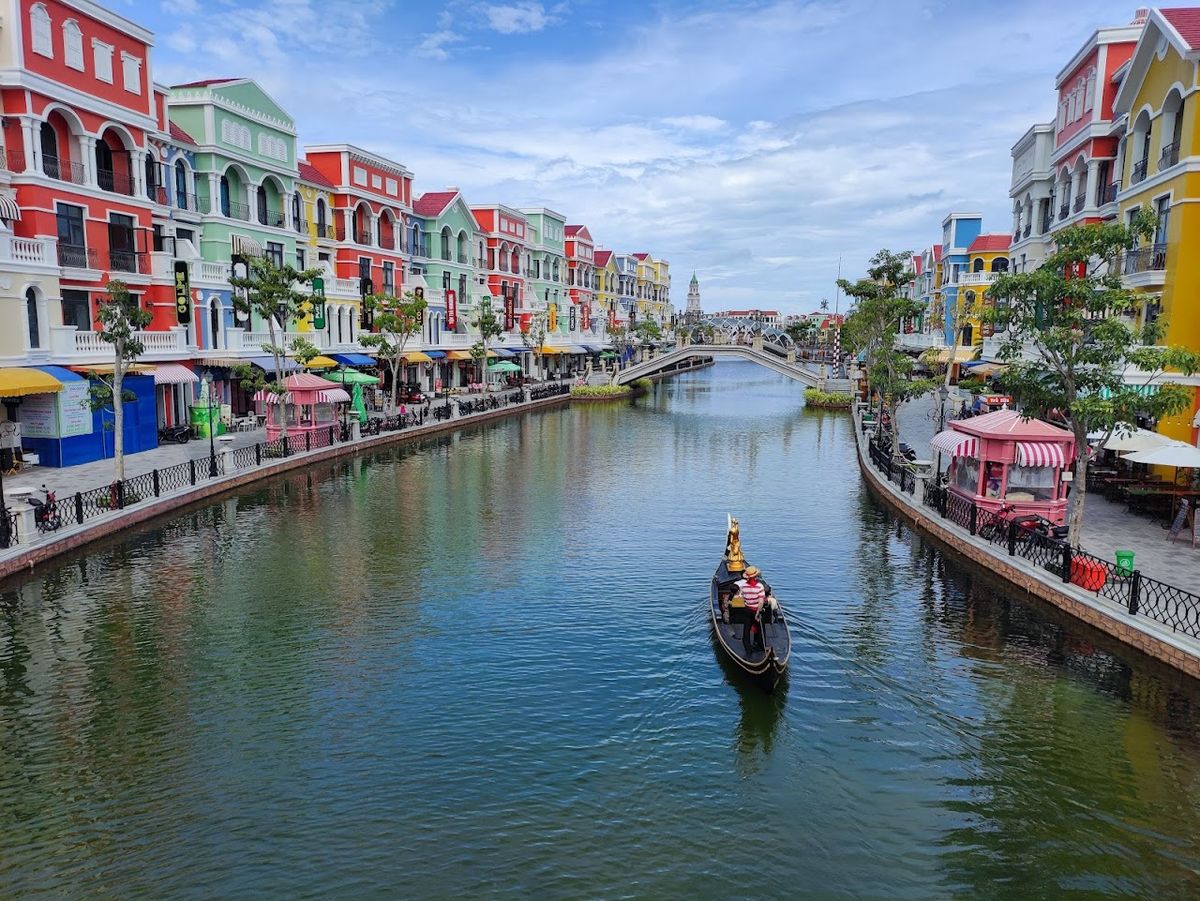
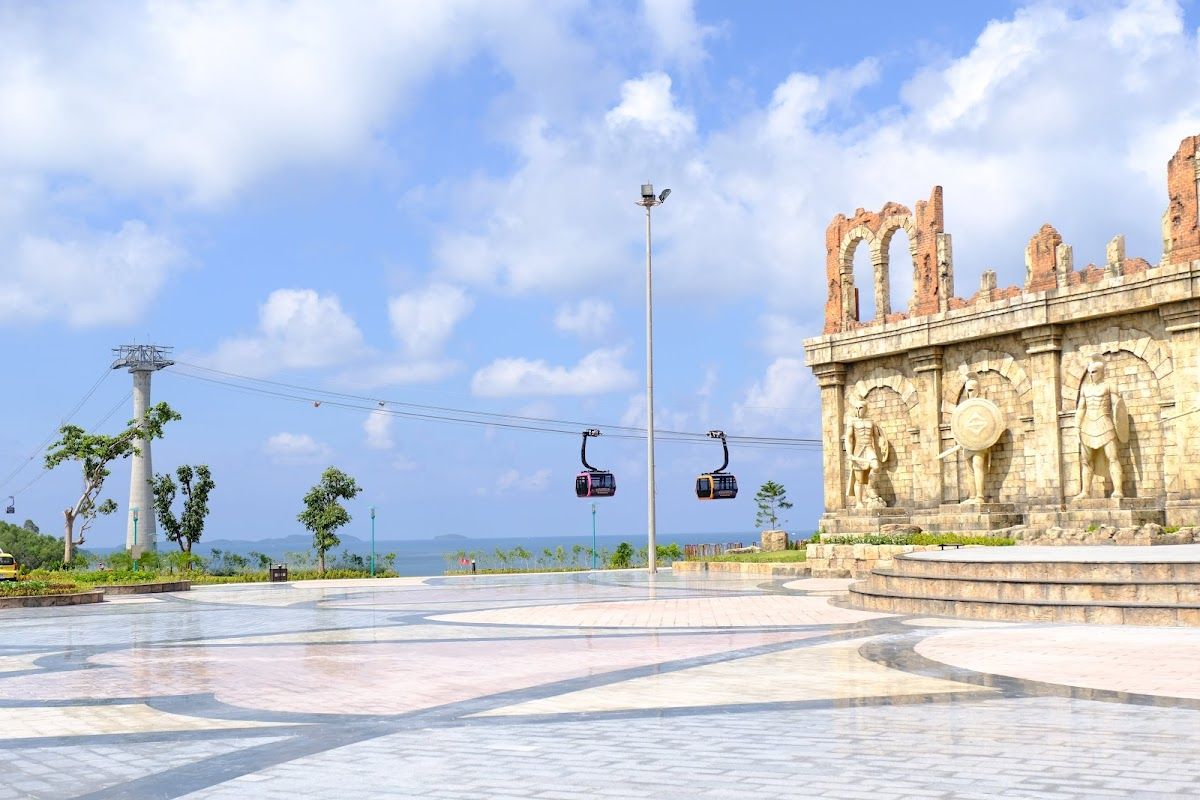
Rain is more frequent, mornings less reliably clear. Island-hopping continues for most of the month, though rough-sea days start to appear. Grand World, VinWonders, and the cable car operate normally unless there’s a named tropical system — check local forecasts if you’re planning a cable car day.
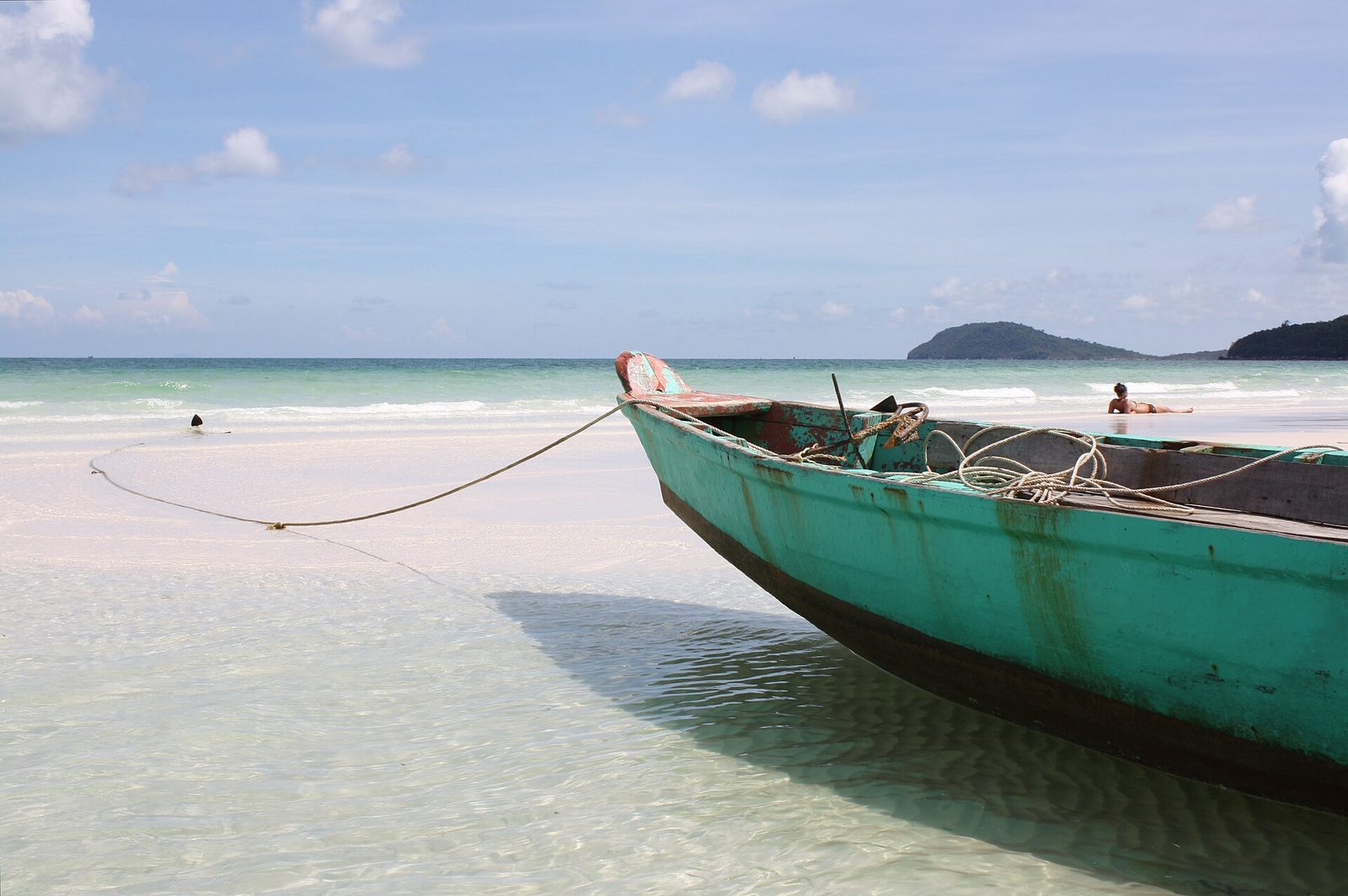
It’s good value and still manageable for most activities. Beaches like Sao Beach are accessible and far less crowded.
July, August, September
The heaviest months. Rainfall peaks at around 400 mm per month in August and September. The Gulf of Thailand sea state on Phu Quoc’s west coast becomes rough; on the east coast it’s typically calmer in July–August as the southwest monsoon directs the swell.
Island-hopping tours from An Thoi pause or cancel frequently in these months — operators make day-of decisions based on sea conditions. Don’t plan your trip around snorkelling if you’re here in August. The cable car to Hon Thom can also close in severe weather.
The upside of this period: the national park waterfalls — Suoi Tranh and Suoi Da Ban — are genuinely impressive. The forests are dense and green. VinWonders and Grand World in the north run rain or shine.
Prices are at their lowest. Good for budget travellers willing to accept the weather trade-offs.
October
The tail end. Rain is easing through October, and by late in the month it feels increasingly like November. Sea conditions are still variable in early October but improve noticeably. This is another solid shoulder month — prices remain below peak, weather is improving, island-hopping starts becoming feasible again. Worth considering if you have flexibility around late October.
What closes or becomes unreliable in the wet season
- Island-hopping tours (An Thoi): operators cancel or suspend on rough-sea days, which are frequent July–September. Some pause entirely for August.
- Hon Thom cable car: closes in severe weather and heavy wind. Most days it runs, but not guaranteed.
- Snorkelling visibility: significantly lower in the wet season. Silt and swell reduce clarity.
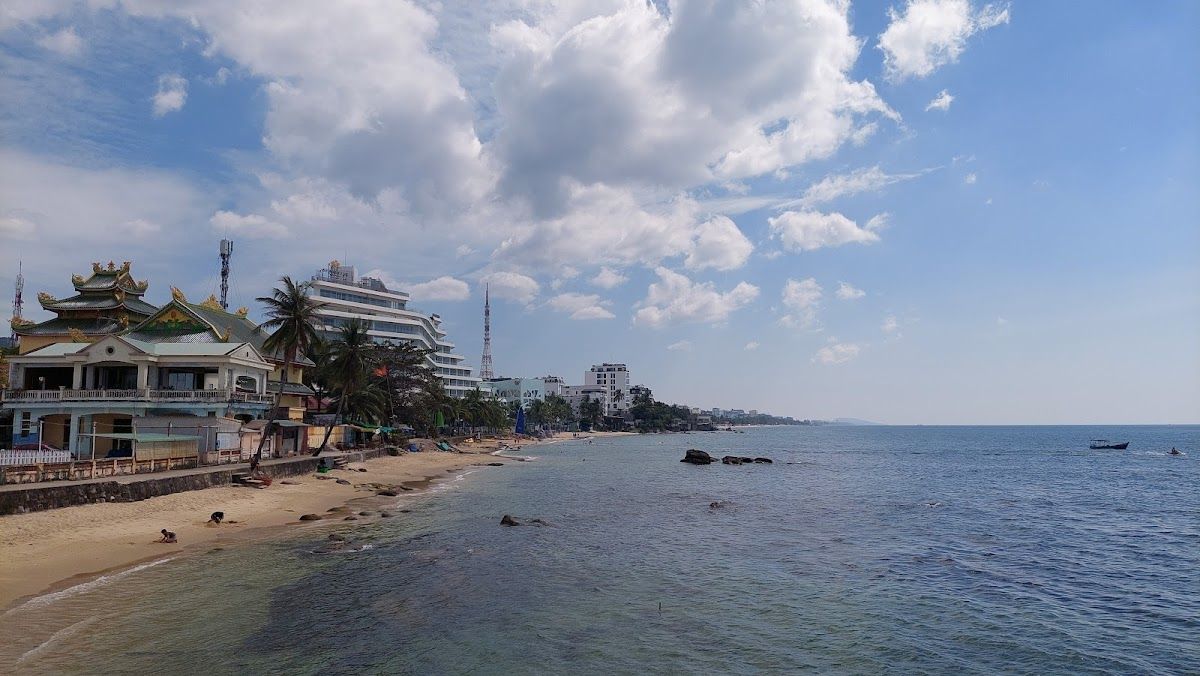
- Some beachside restaurants/bars on Long Beach: a handful close for a few weeks at the deepest wet-season trough. Most stay open.
What the wet season doesn’t affect
- VinWonders, Vinpearl Safari, Grand World — all run year-round
- Dinh Cau Night Market — open year-round
- Khai Hoan fish sauce factory — open year-round
- Ho Quoc Pagoda, Coconut Tree Prison, other land-based sights
- Accommodation availability — actually better, without advance booking pressure
Prices and crowds
The pattern is consistent year to year:
| Period | Crowds | Relative price |
|---|---|---|
| Dec–Jan | High | Highest |
| Feb–Mar | Moderate–high | High |
| Apr, Nov | Low–moderate | Mid |
| May–Jun, Oct | Low | Low–mid |
| Jul–Sep | Low | Lowest |
Hotel rates in December and January can be 30–50% higher than October for equivalent properties. If budget matters and you can tolerate some afternoon rain, May or October are strong value picks.
Visa note
Phu Quoc has a 30-day visa exemption open to all nationalities — if you arrive directly from outside Vietnam (international flight, or by sea). Your passport needs to be valid for at least 6 months and you need a return or onward ticket leaving Phu Quoc within 30 days. The exemption only covers staying on Phu Quoc; if you travel to the Vietnamese mainland for any reason, a normal Vietnamese e-visa applies. Arriving via a domestic connection through Ho Chi Minh City counts as entering Vietnam on the mainland — the exemption doesn’t apply.
Once you’ve chosen your timing, Best Things to Do in Phu Quoc covers the island’s main activities with seasonal context. 3-Day Phu Quoc Itinerary maps the logistics. For where to sleep, hotels in Phu Quoc covers the main areas.
The routing rule for that visa exemption is spelled out in how to get to Phu Quoc.
FAQ
What is the best month to visit Phu Quoc?
December to March for sun and calm water. Those are also the busiest, most expensive weeks. April and October are the compromise.
Is the wet season a bad idea?
It is cheaper and quieter, and the waterfalls are better in August and September. Expect afternoon rain, a rougher sea, and island tours that pause from July to September.
Do I need a visa?
A 30-day exemption covers any nationality if you fly in direct from outside Vietnam and stay on the island. A connection that clears immigration on the mainland does not qualify.